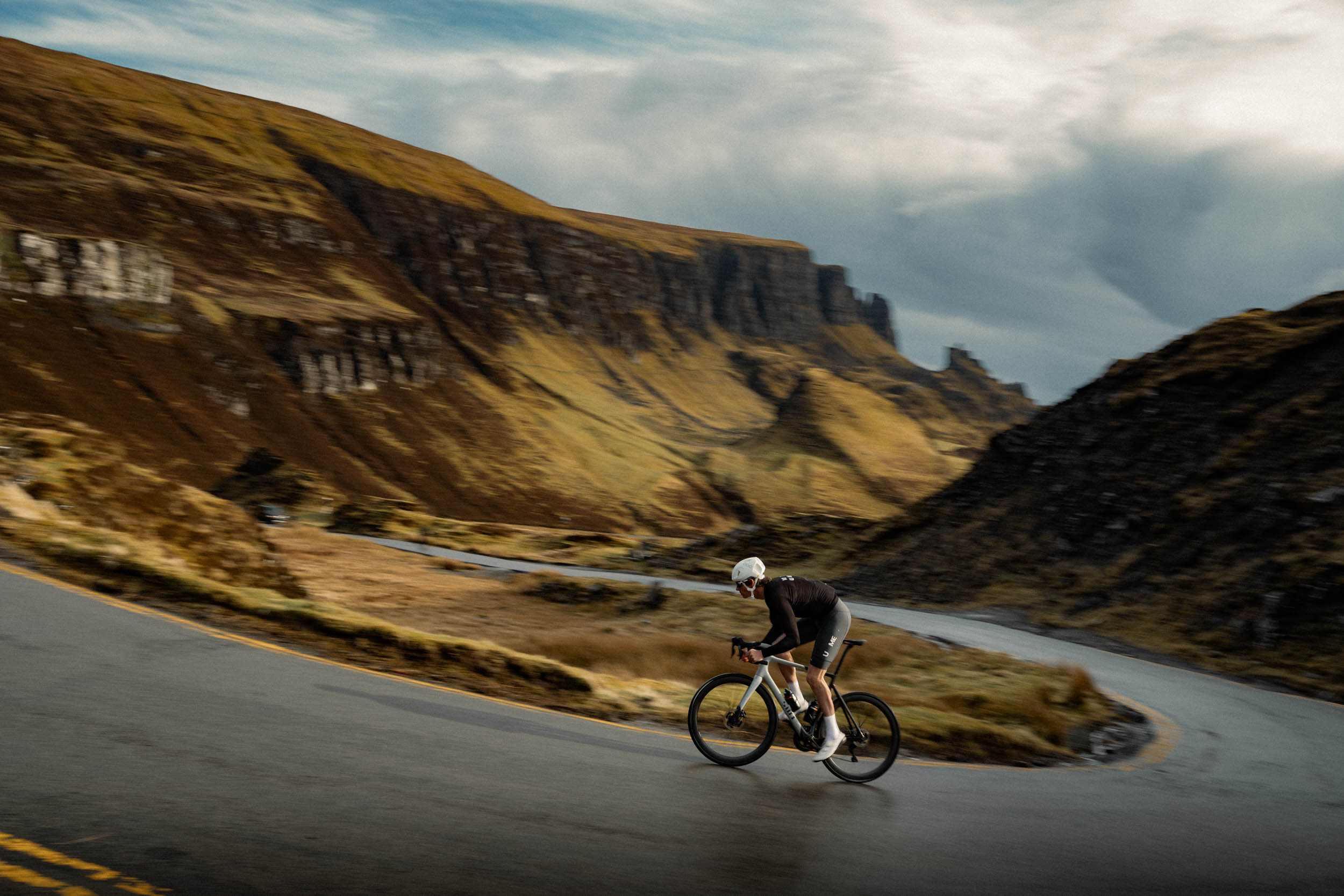


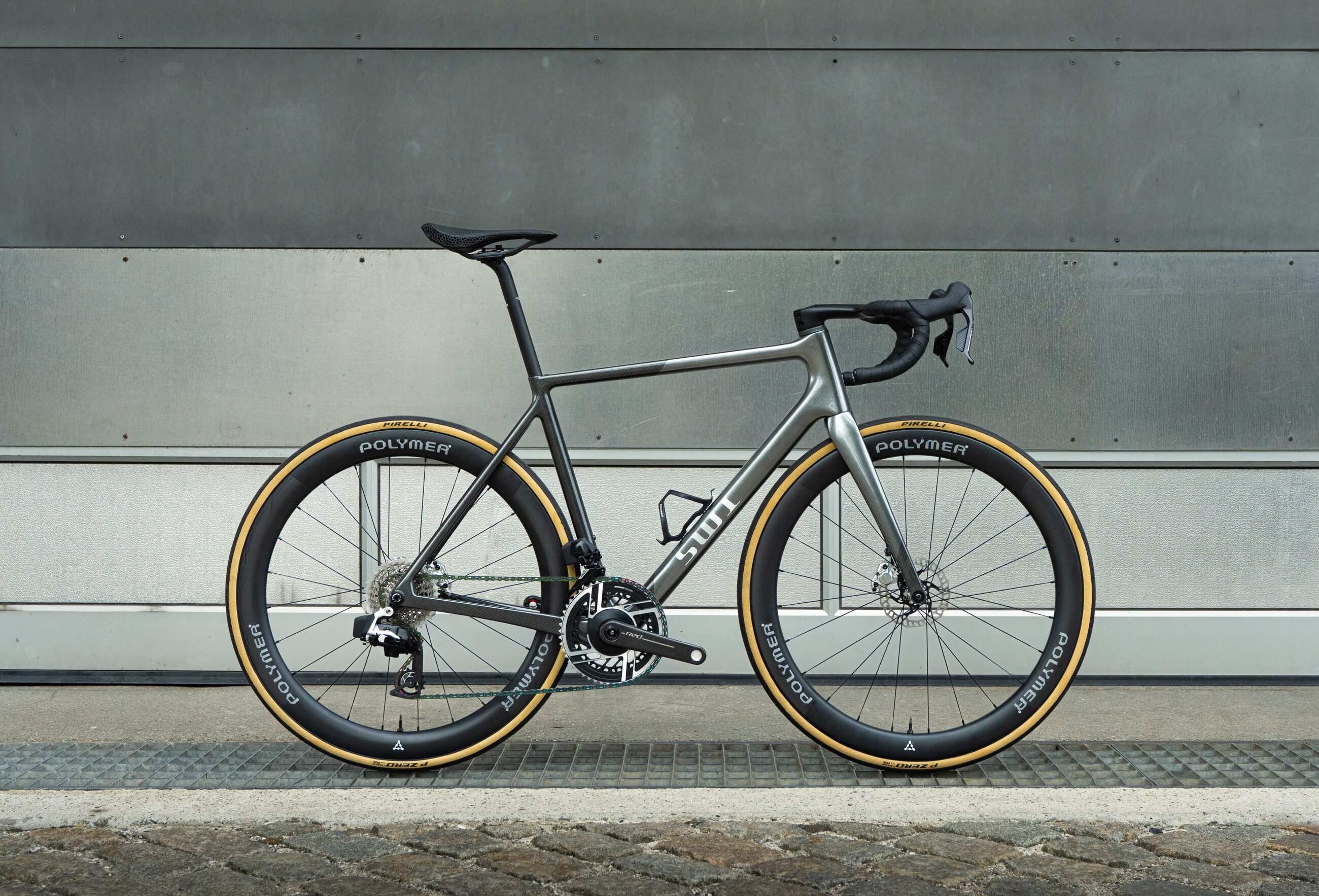
Most bicycle photography is about motion. A rider, a road, a low sun. It is a good way to sell a feeling and a poor way to look at an object.
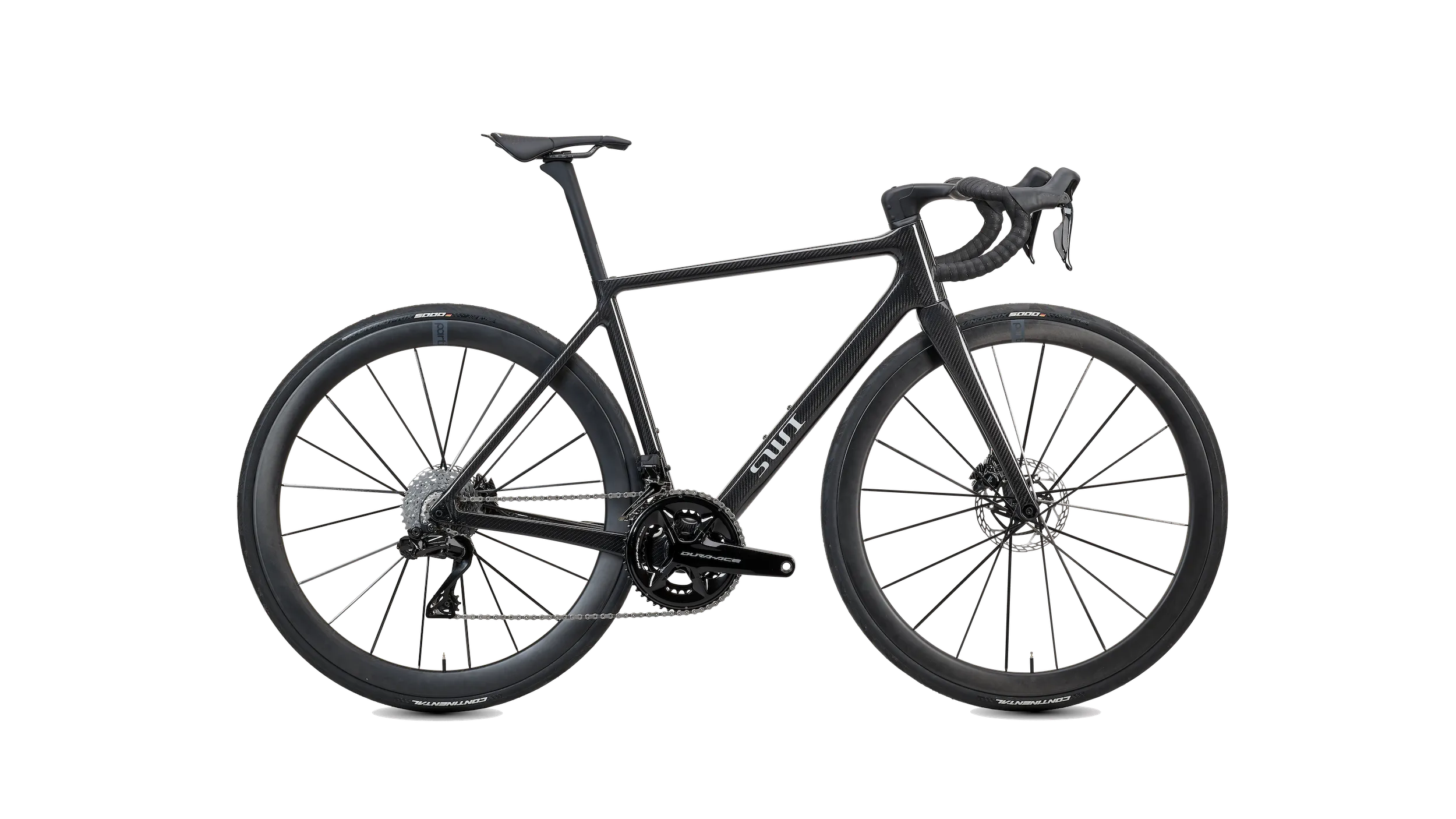
Polymer Workshop do the opposite. Their Files series photographs bicycles standing still, lit like a piece of hardware rather than a lifestyle, and numbered like a catalogue entry. File #39 is an SWI Aequus.
Who Polymer Workshop are
Polymer are a component studio. They design and manufacture their own parts — wheelsets, handlebars, seatposts, bottle cages — rather than assembling somebody else's, which is rarer than it sounds and is why their builds tend to look coherent rather than assembled.
The Files are their own long-running series: a build, shot properly, catalogued and numbered. It is closer to a product study than a review, and it suits a frame like the Aequus, which does not have much to hide behind.
The build
They specified it around their own catalogue, which makes this a useful thing for us to see, an Aequus assembled by people with no particular loyalty to how we usually build one.
- Frame: SWI Aequus. Unishell monocoque, custom TPT™ carbon layup specified across twelve zones for rider weight and power. 720–790g, clearance up to 32mm.
- Groupset: SRAM RED E1 AXS, 12-speed wireless, hydraulic disc.
- Wheels: Polymer Workshop, 50/52mm, on Pirelli tan-wall tyres.
- Cockpit and finishing: Polymer Rover handlebar, Obelisk seatpost, carbon bottle cage.
It is worth sitting with that last group for a second. Our ambassadors mostly ride the Aequus on Lightweight Meilenstein wheels and Shimano Dura-Ace. This one is SRAM and Polymer throughout, and it does not look like a compromise in either direction. A frame that only looks right in one specification is not really a frameset.
What a still photograph shows that a riding shot cannot
Photographed in motion, every carbon frame looks broadly the same. Photographed standing still, in flat light, at close range, they stop looking the same very quickly.
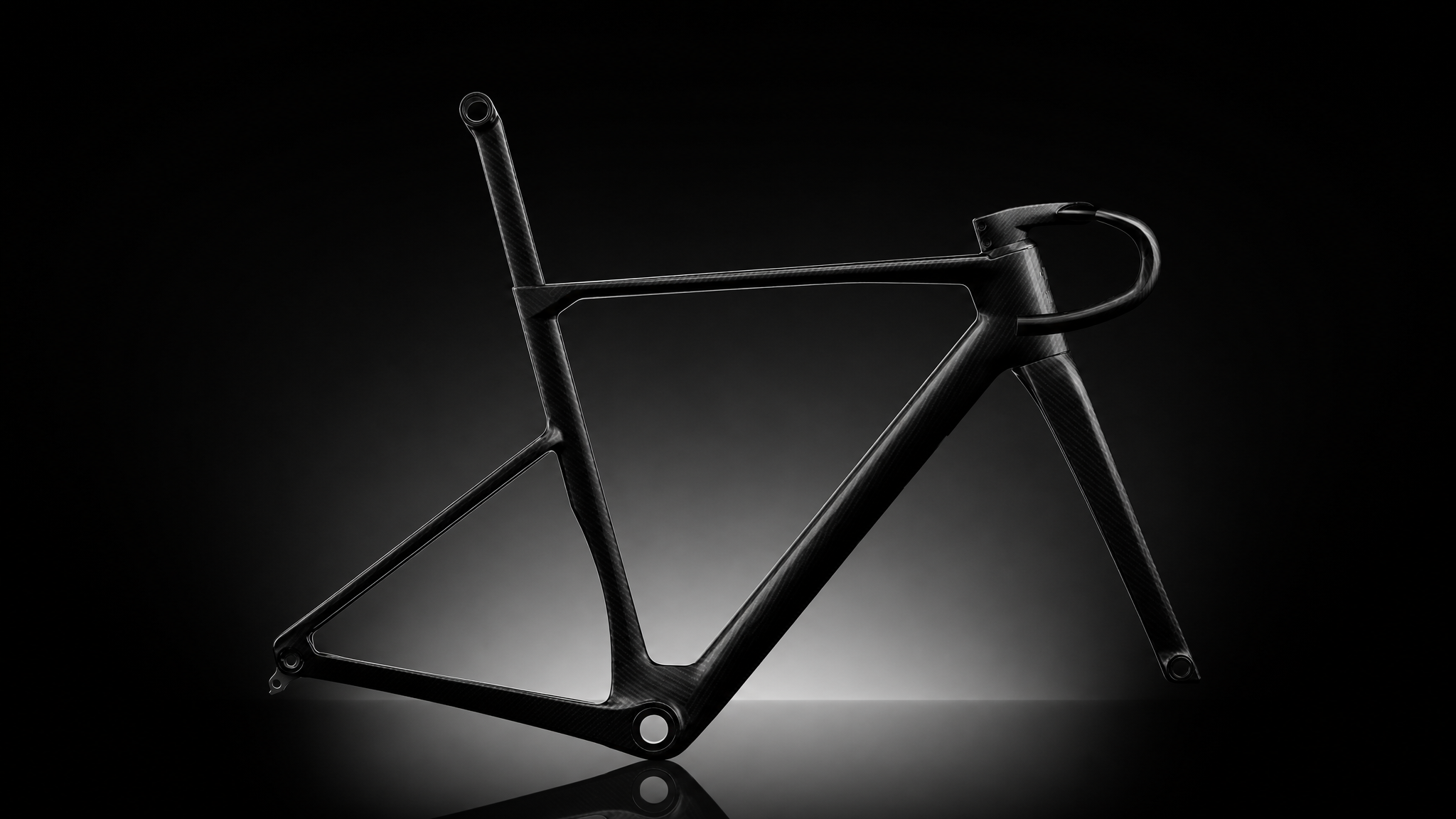
A bonded or tube-to-tube frame has junctions. There is a point where the top tube becomes the head tube, and however well it is finished, there is a transition there — a lug, a sleeve, a wrap, a slight change in surface. Good paint hides it. Raw carbon and hard light do not.
The Aequus is formed as one continuous shell in a single mould, so those junctions do not exist to be hidden. That is the whole argument for a monocoque, and it is an argument that photographs badly at speed and beautifully at rest. Polymer's lighting is unusually unforgiving, which is exactly why the set is worth looking at — the seatstay junction in particular.
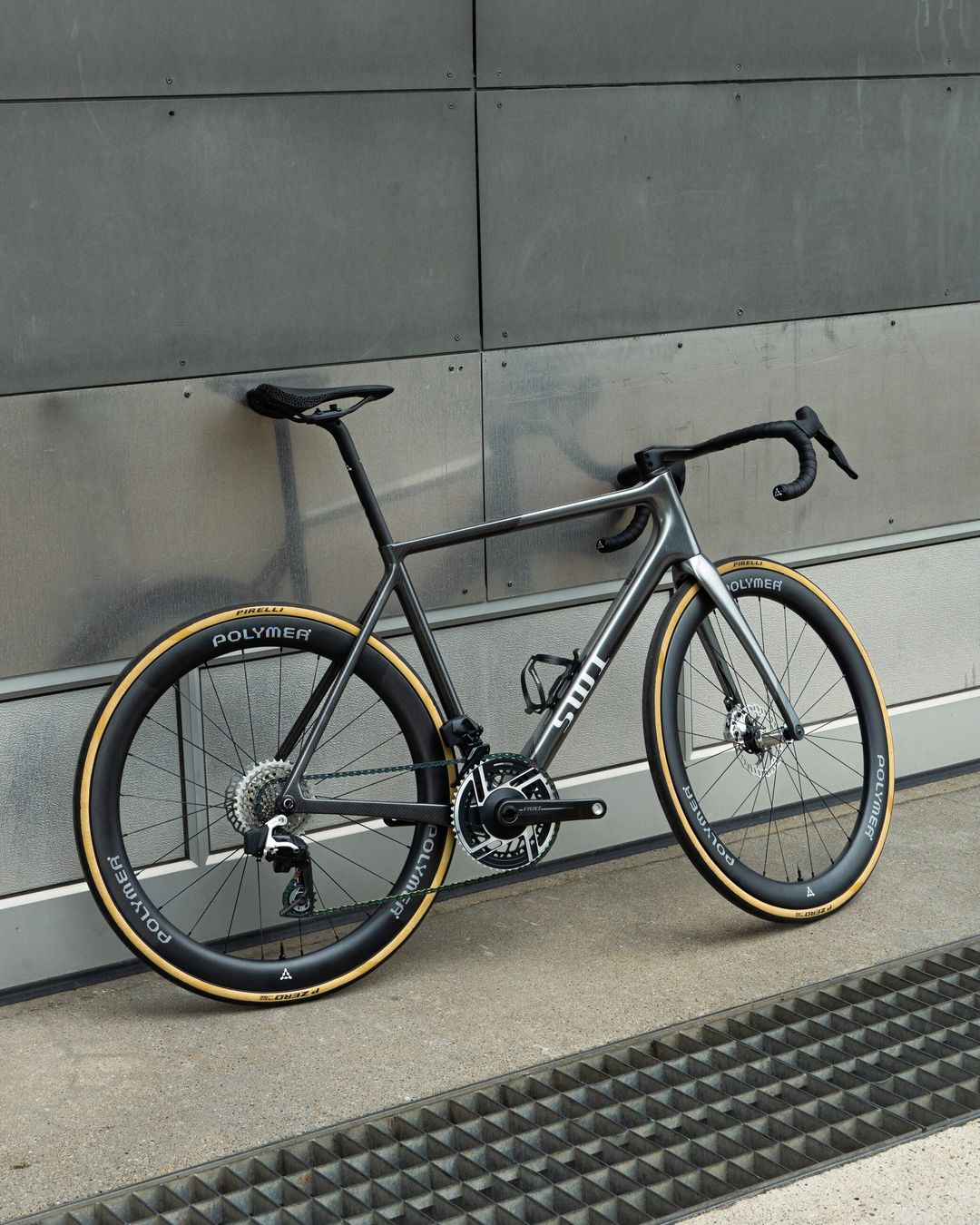
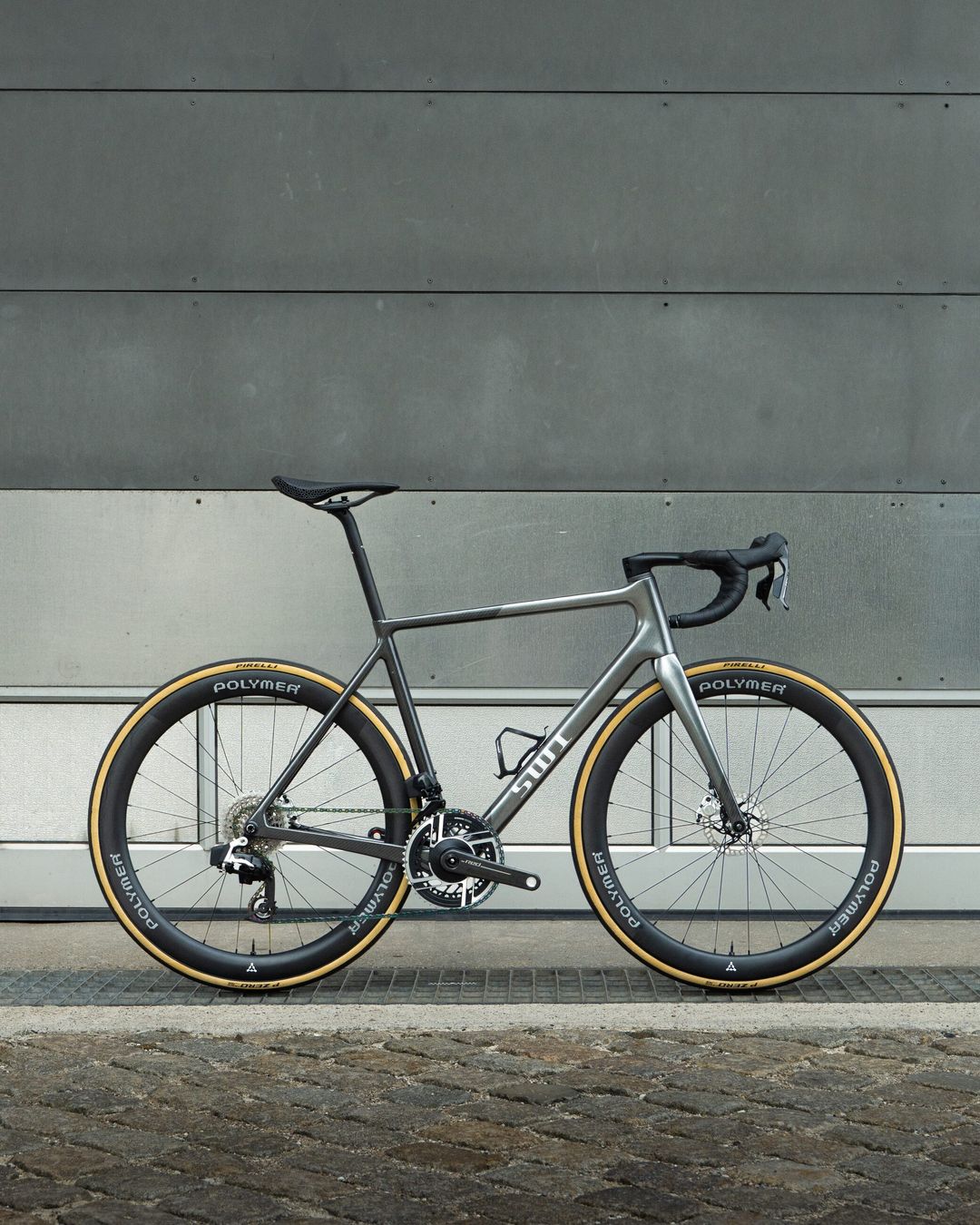
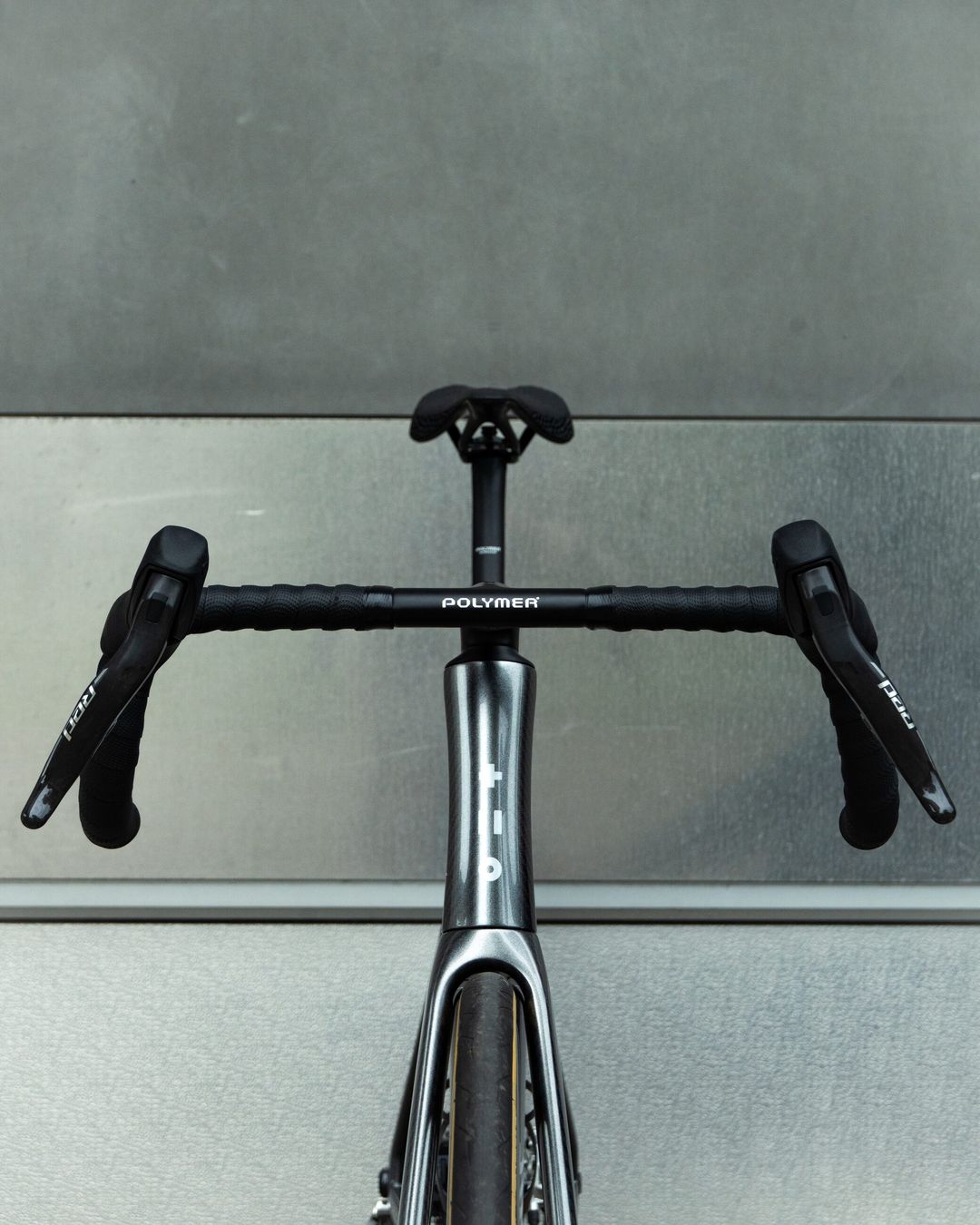
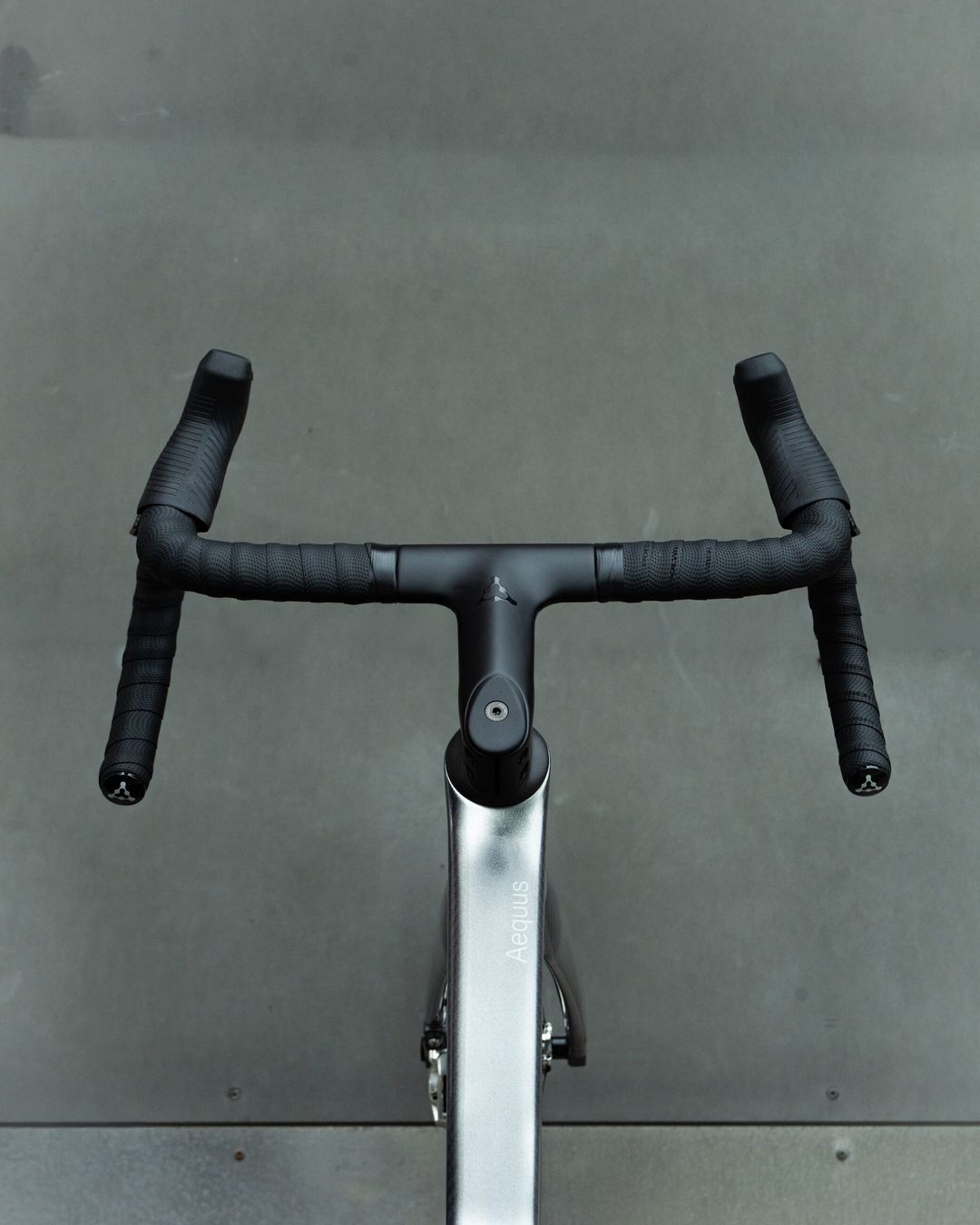
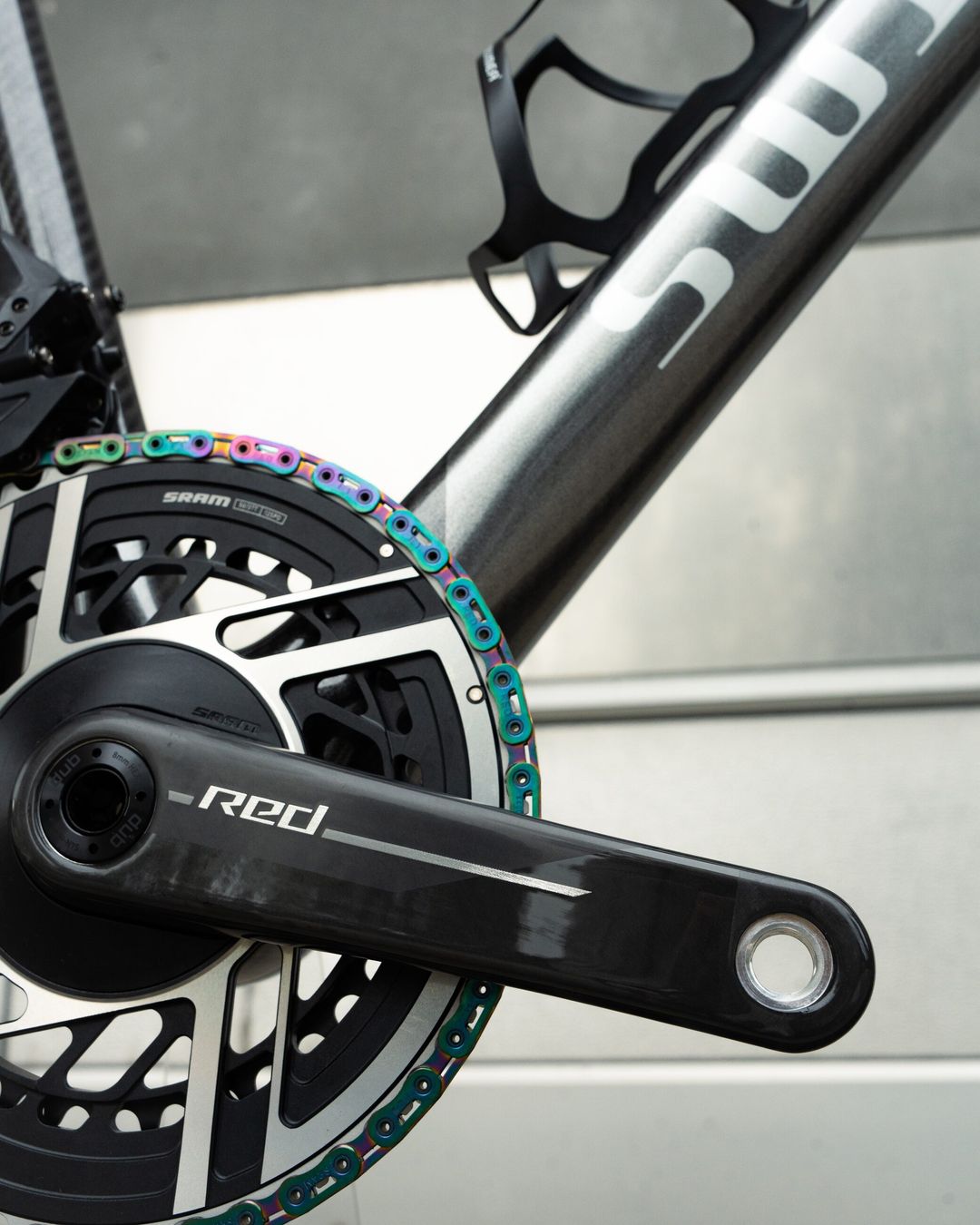
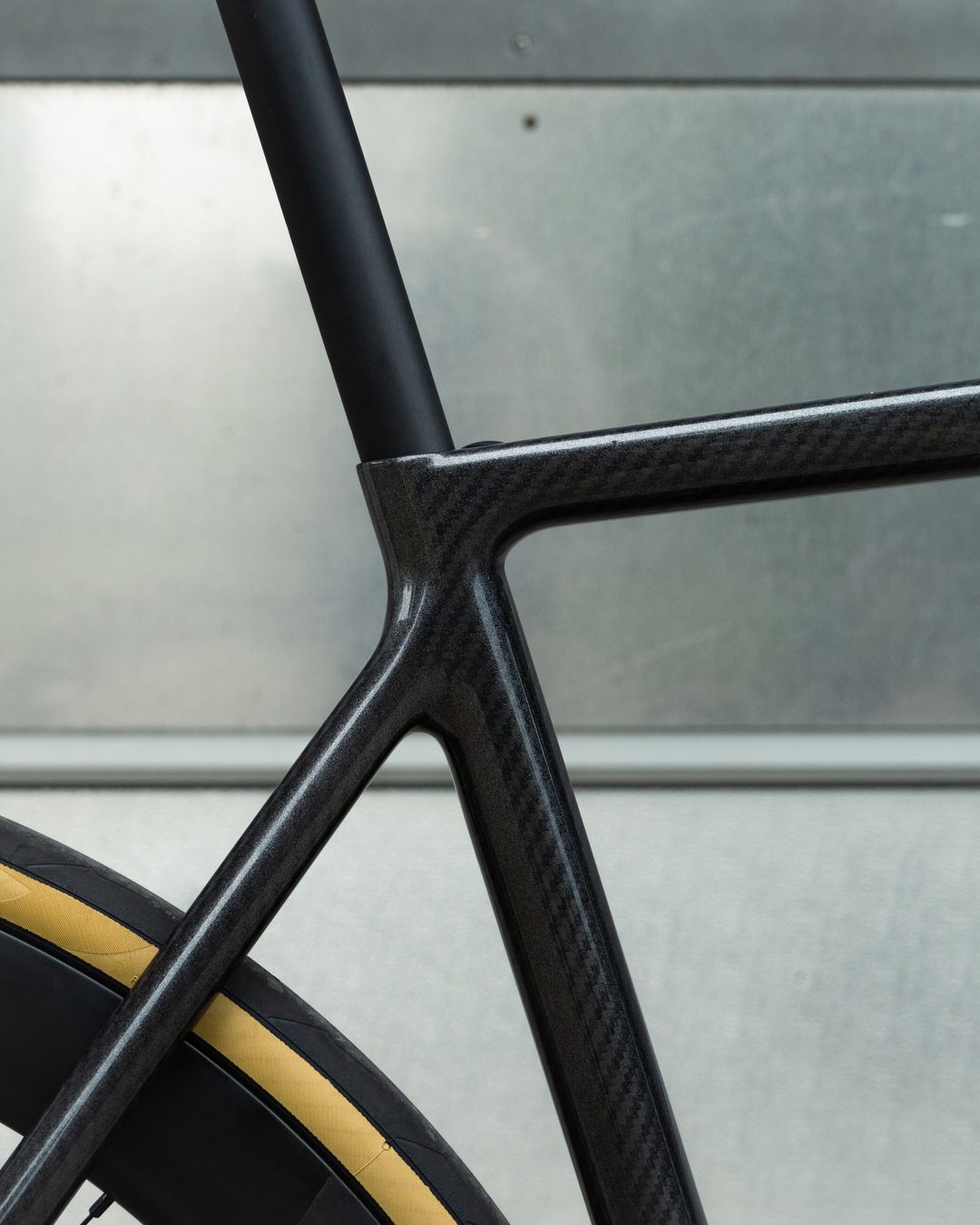
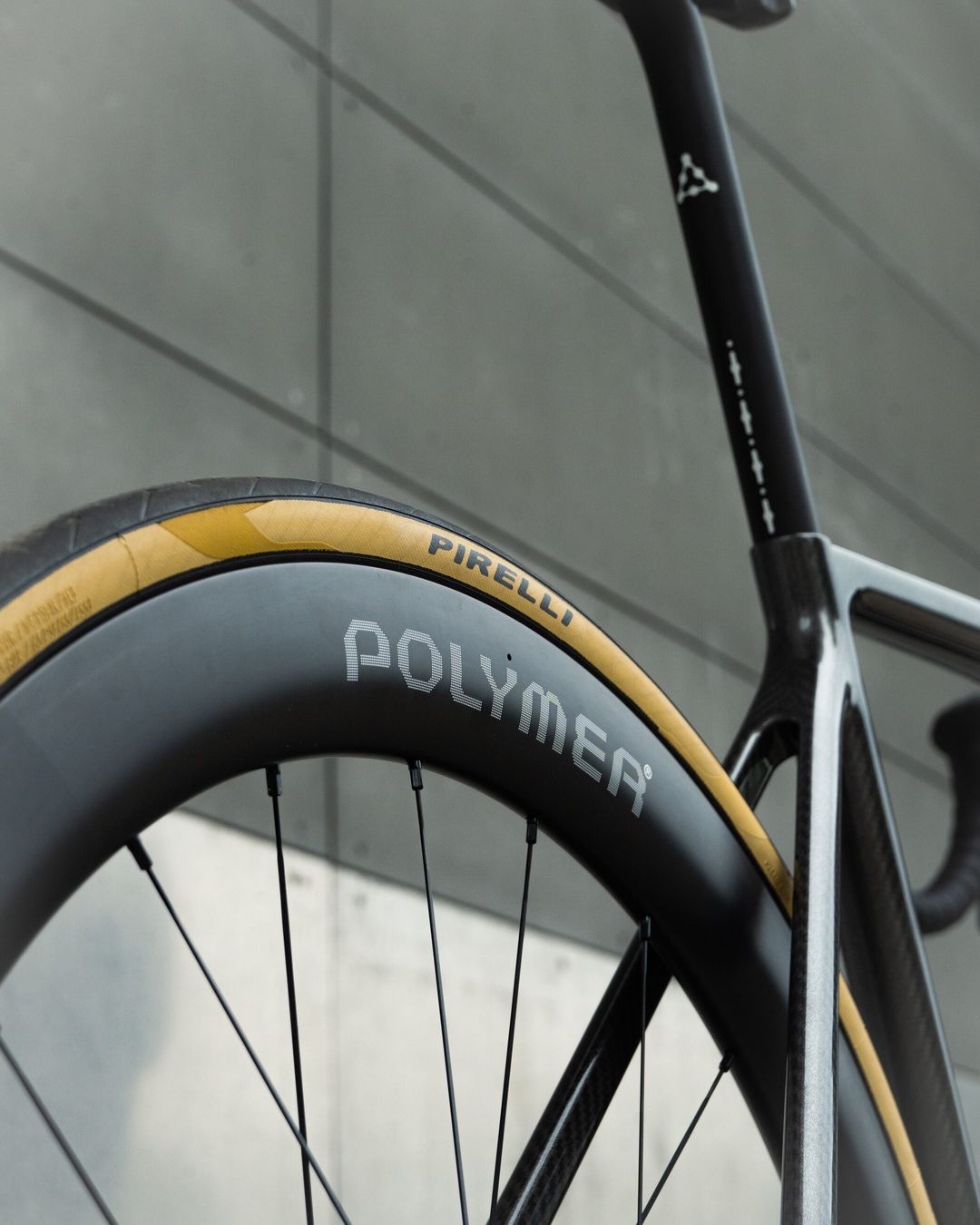
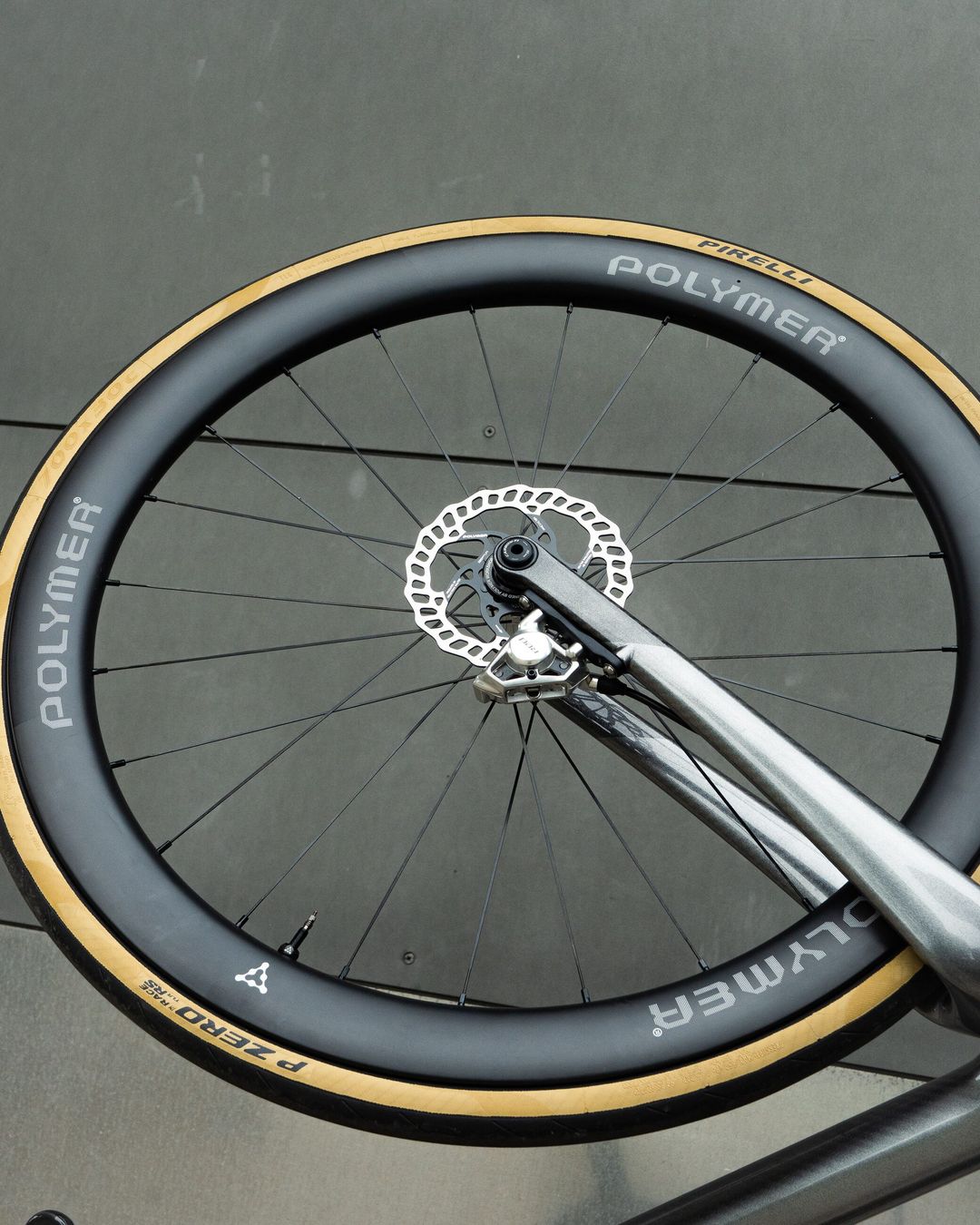
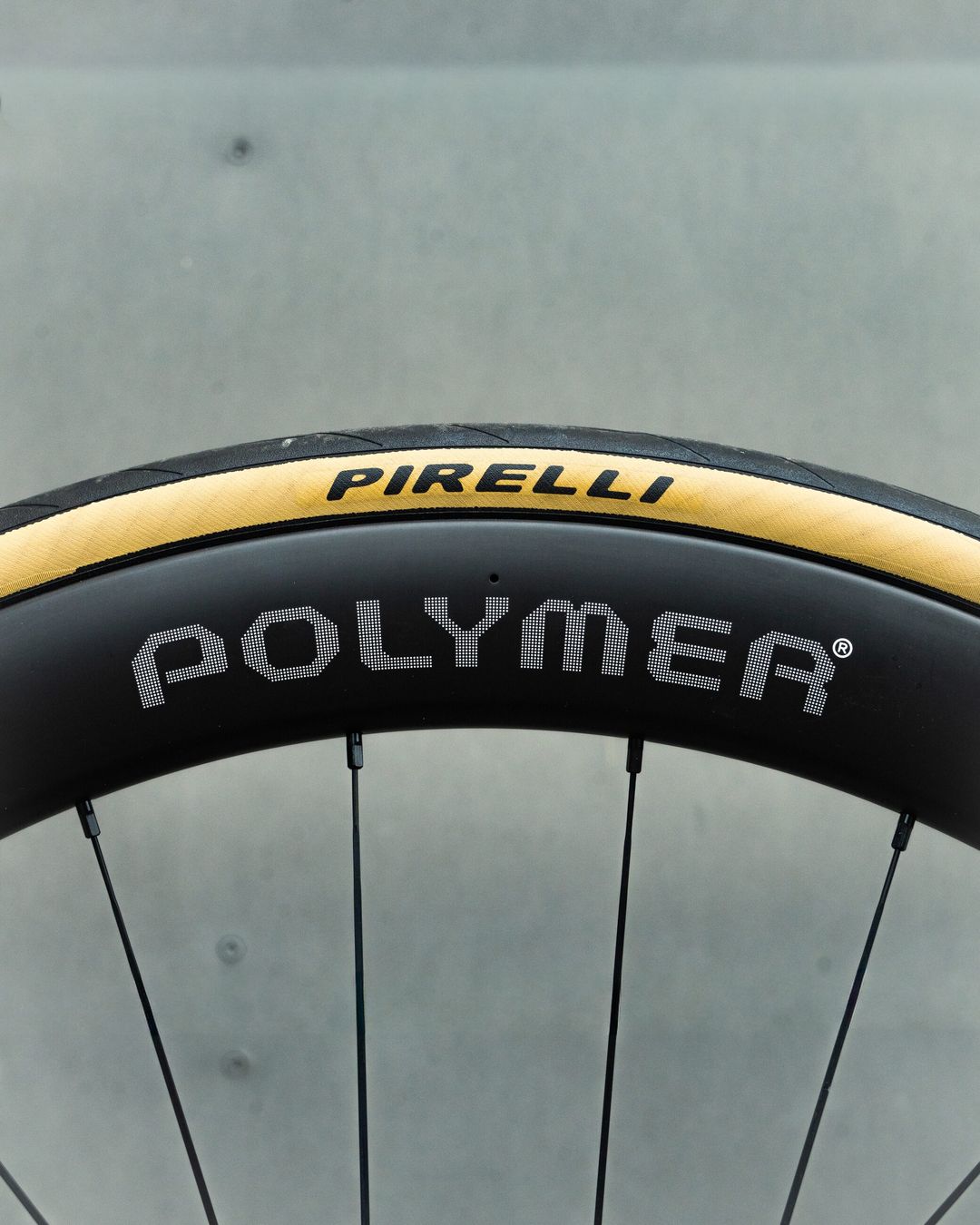
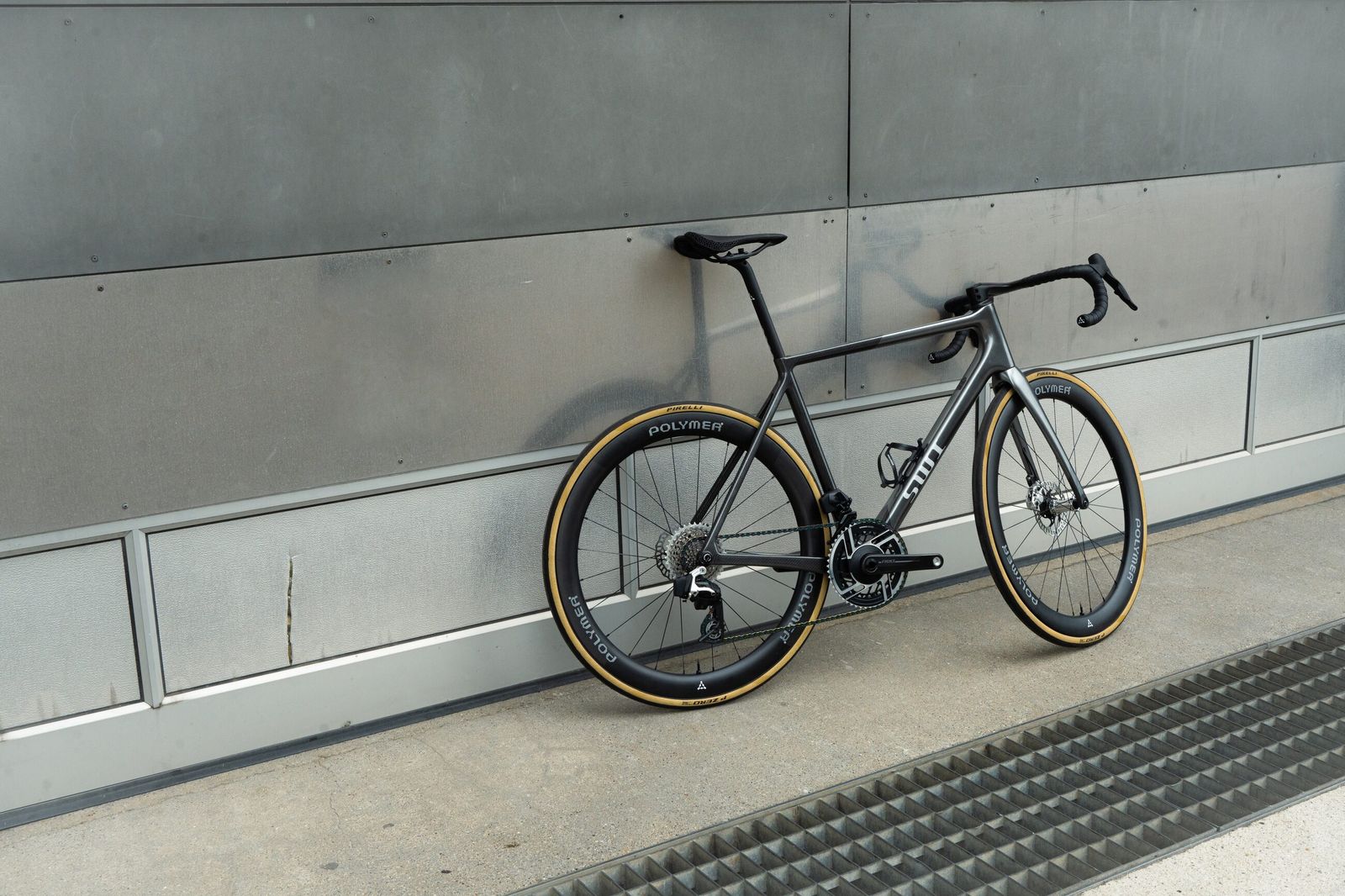
Scroll for the full set. Photographs by Polymer Workshop.
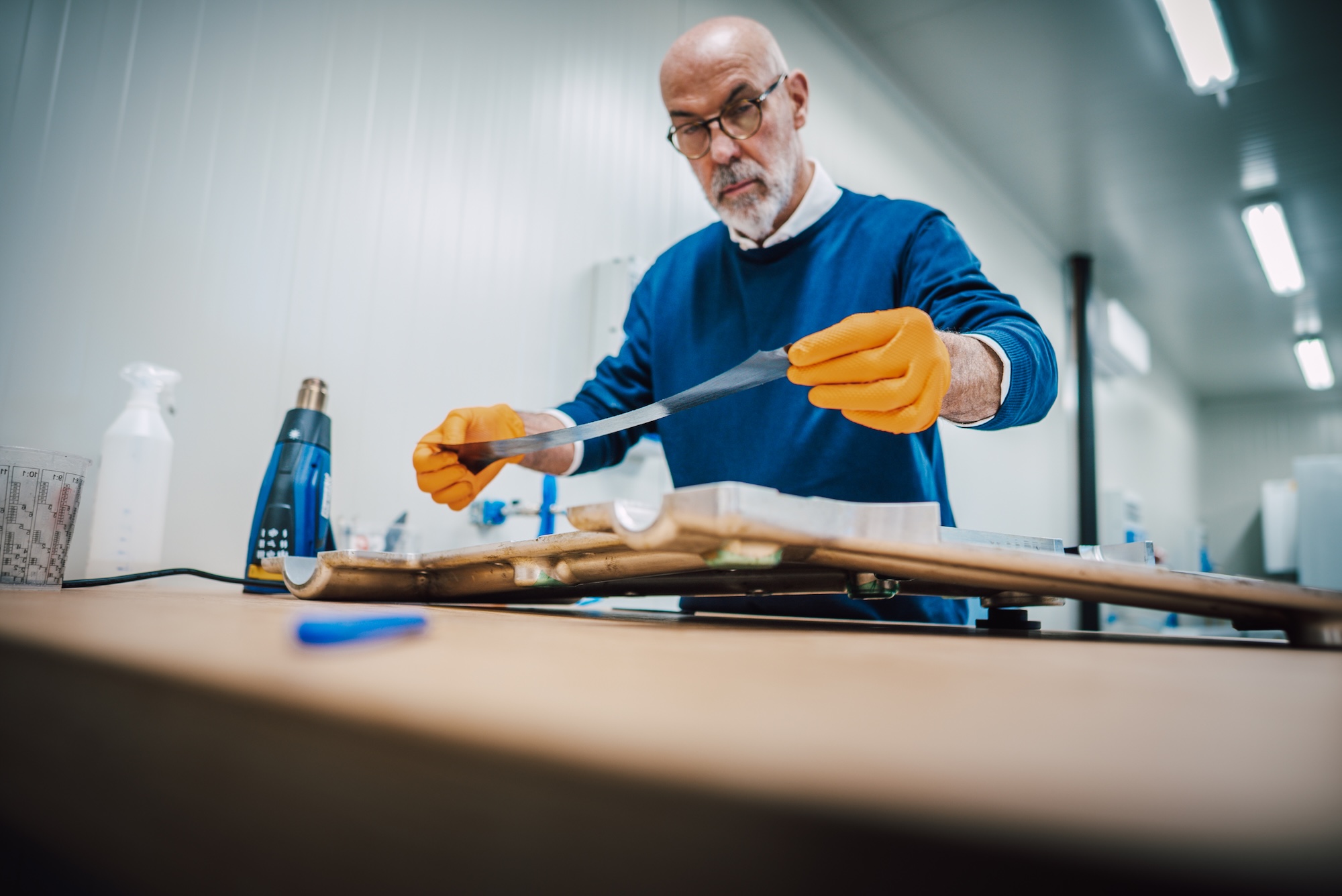
It is the same thing an independent carbon repair specialist found after cutting an SWI frame open and comparing it against a high-end race frame: no join lines in the lugs. Their evidence was a bandsaw. Polymer's is a light and a long lens.
See the full set
Polymer published the whole file, including frames we have not shown here. Their photographs, their edit, on their site: Polymer file #39 — Machine Portrait, SWI Aequus.
Photographs by Polymer Workshop, used with permission.
%2520on%2520SWI_%2520The%2520Italian%2520Paradox_%2520Aura%252C%2520Heritage%25E2%2580%25A6%2520and%2520sometimes%2520Utter%2520Chaos.jpeg)