

%2520on%2520SWI_%2520The%2520Italian%2520Paradox_%2520Aura%252C%2520Heritage%25E2%2580%25A6%2520and%2520sometimes%2520Utter%2520Chaos.jpeg)
There are builders who assemble bicycles, and builders who translate them.
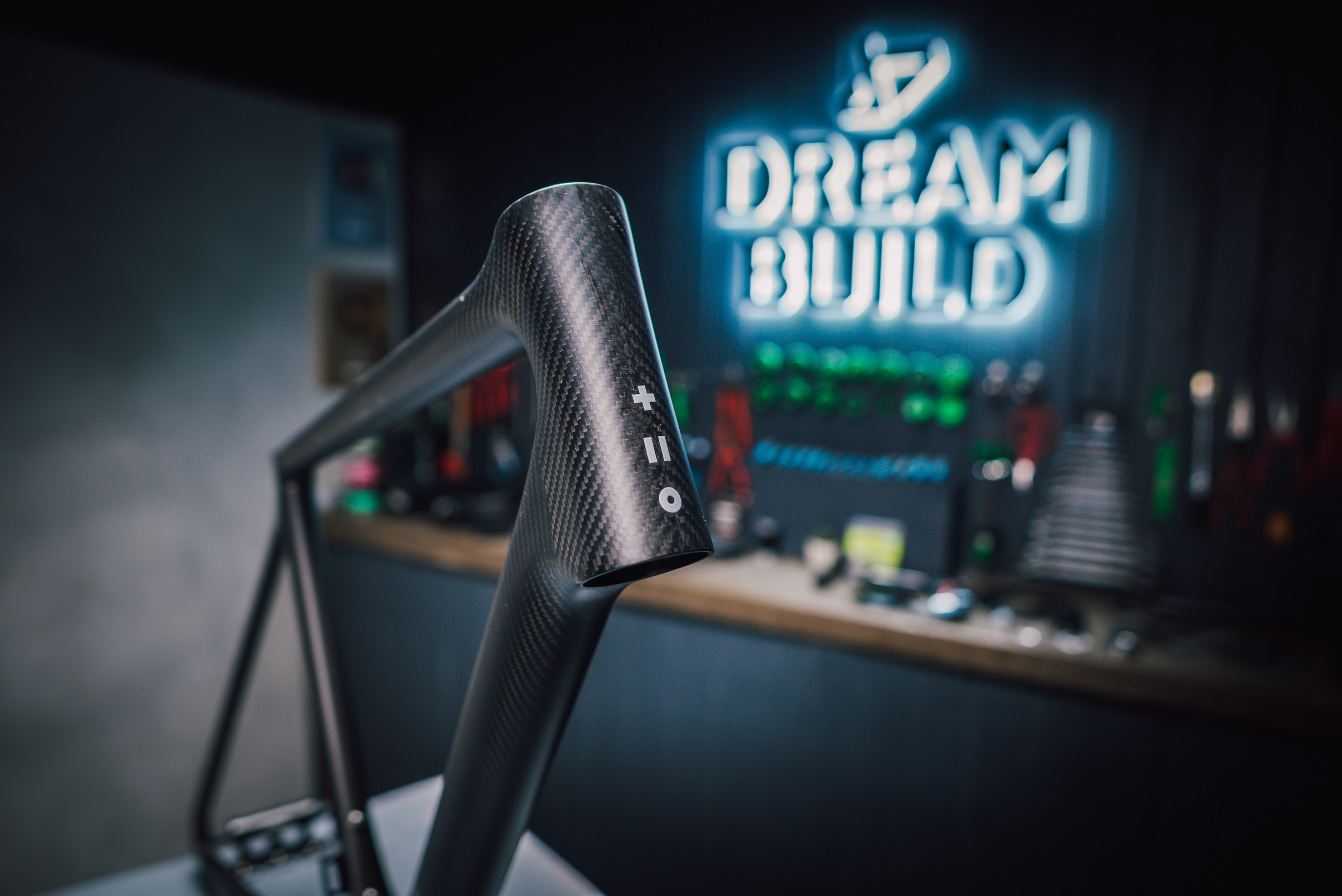
Gee Milner has spent years doing both. Through Dream Build, Milner has filmed hundreds of builds, often close enough to see what most brands would rather you did not: the shortcuts, the dust, the tolerance stack-ups, the moments where “handcrafted” is used as a cover story.
So when Milner walked into SWI's workshop, the reaction was not the usual polite nod. “My jaw was on the floor most of the time, just couldn't believe,” Milner said, describing the contrast between SWI and some of the most mythologised names in Italian cycling.
The interesting part is not that SWI makes a beautiful object. Plenty of brands can do that now. The interesting part is that the bicycle, and the way it is made, sits at an awkward intersection of modern reality: China's manufacturing acceleration, Europe's heritage advantage, and the question every premium brand is trying to answer. What, exactly, are people paying for?
Let the process speak
Milner's SWI piece runs long. Intentionally.
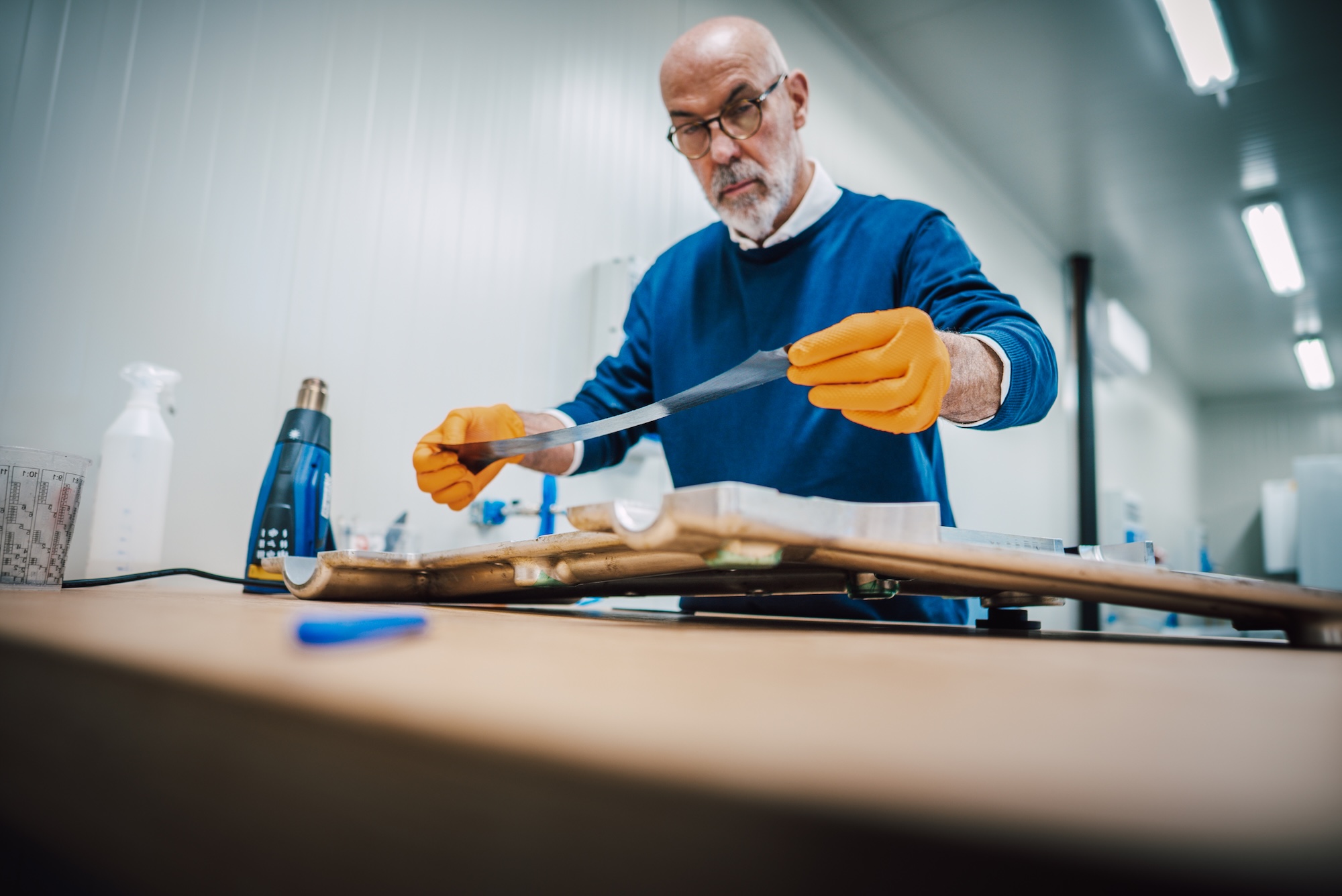
“I knew it was going to be a long one… If it's the closest someone will get, they want to be really involved in seeing how their bike's made,” Milner said. “It's basically like having a customer there watching what it takes.”
That is the tone of the whole collaboration: let the process speak, and let the viewer decide.
Quality alone is no longer a moat
The conversation took a hard left into manufacturing — not the romantic version, the actual one.
“Some of them are so good,” Milner said of top-tier Chinese brands. “The frames that are coming in… literally wipe the floor with the top end… you know, there's a lot to be desired.”
His point was not that heritage brands are finished. It was that quality alone is no longer a moat.
Where those brands still stumble, in Milner's view, is the human layer. “The marketing… is absolutely shocking. And it's the comms… It's a very faceless affair a lot of the time.”
If SWI is smart, it does not try to compete on scale, or price, or volume of noise. It doubles down on what those frames cannot easily replicate: a place, a craft, and a story that can be verified by walking through the door.
“Handcrafted” is not a get-out-of-jail-free card
Milner did not mince words about what he has seen elsewhere.
Some of the biggest offenders I find are the Italian brands that rely on their prestigious heritage and past racing pedigree to exude Italian class whilst pumping out frames that are ordered from the discount pages of a catalogue and given a shiny paint job.
“People take the phrase handcrafted as a bit of a liberty… They will always say something's not quite straight… ‘oh, well, it's handcrafted’… No, no, no, no, no. That's just lazy.”
The case for raw 3K weave
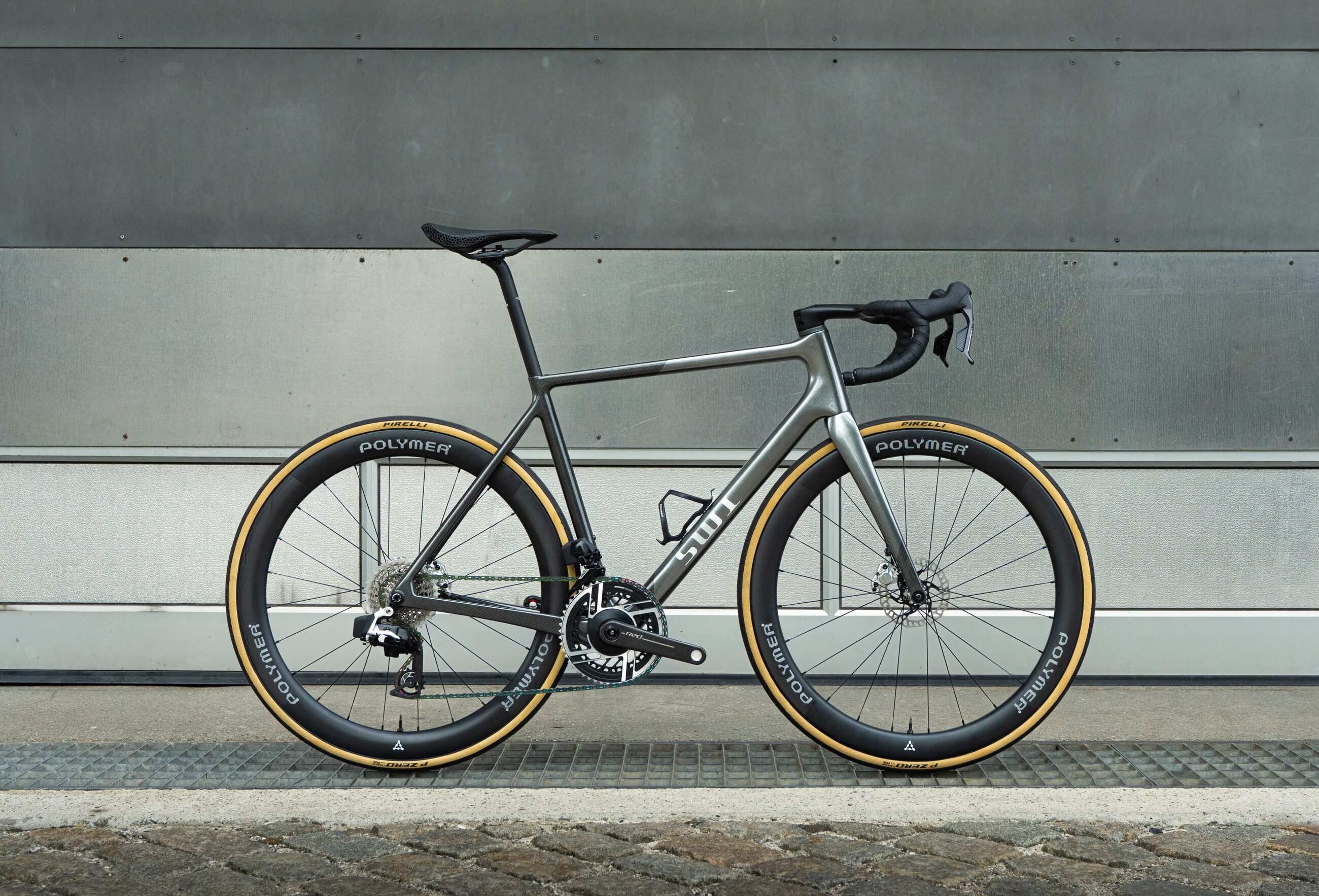
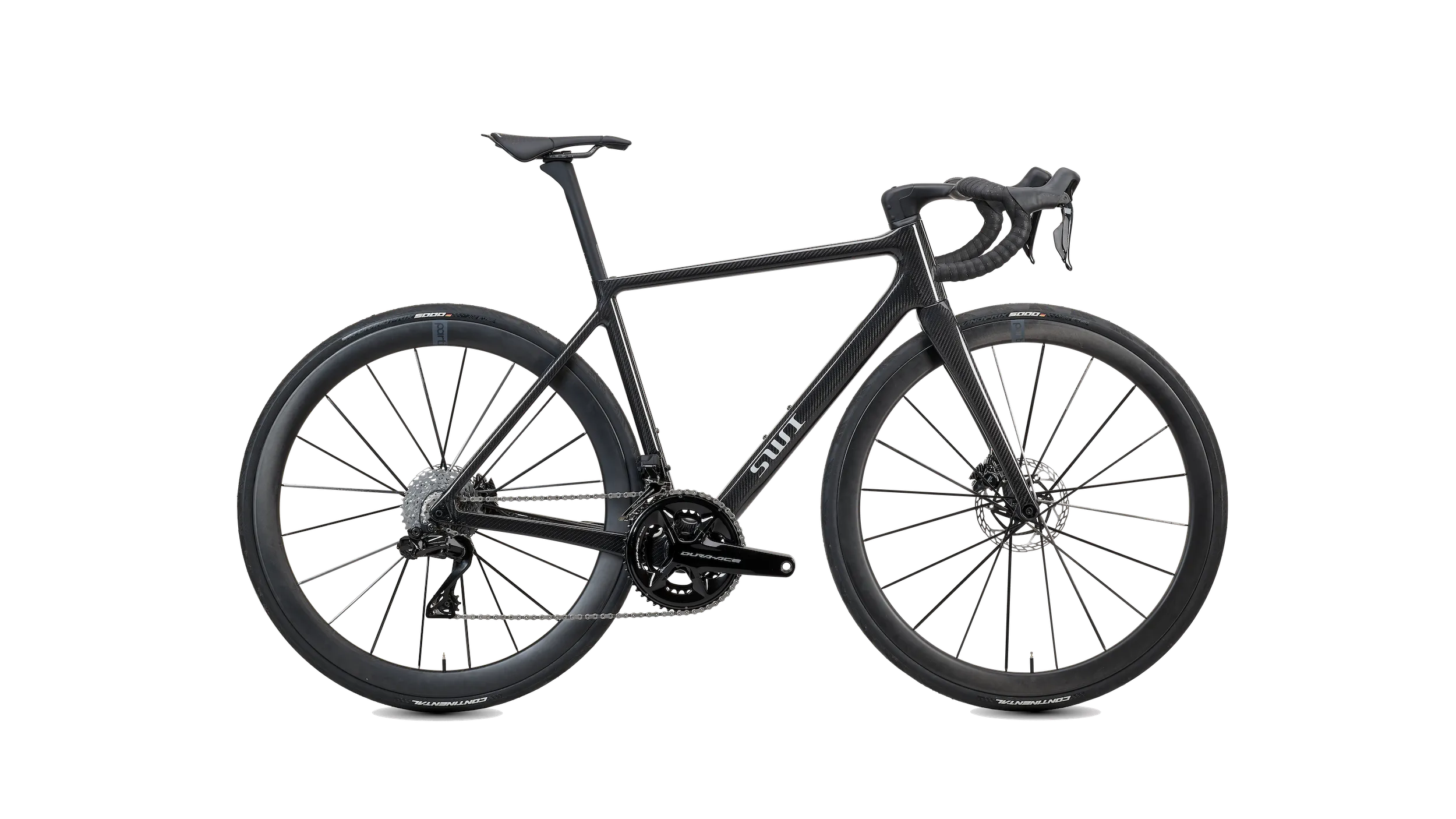
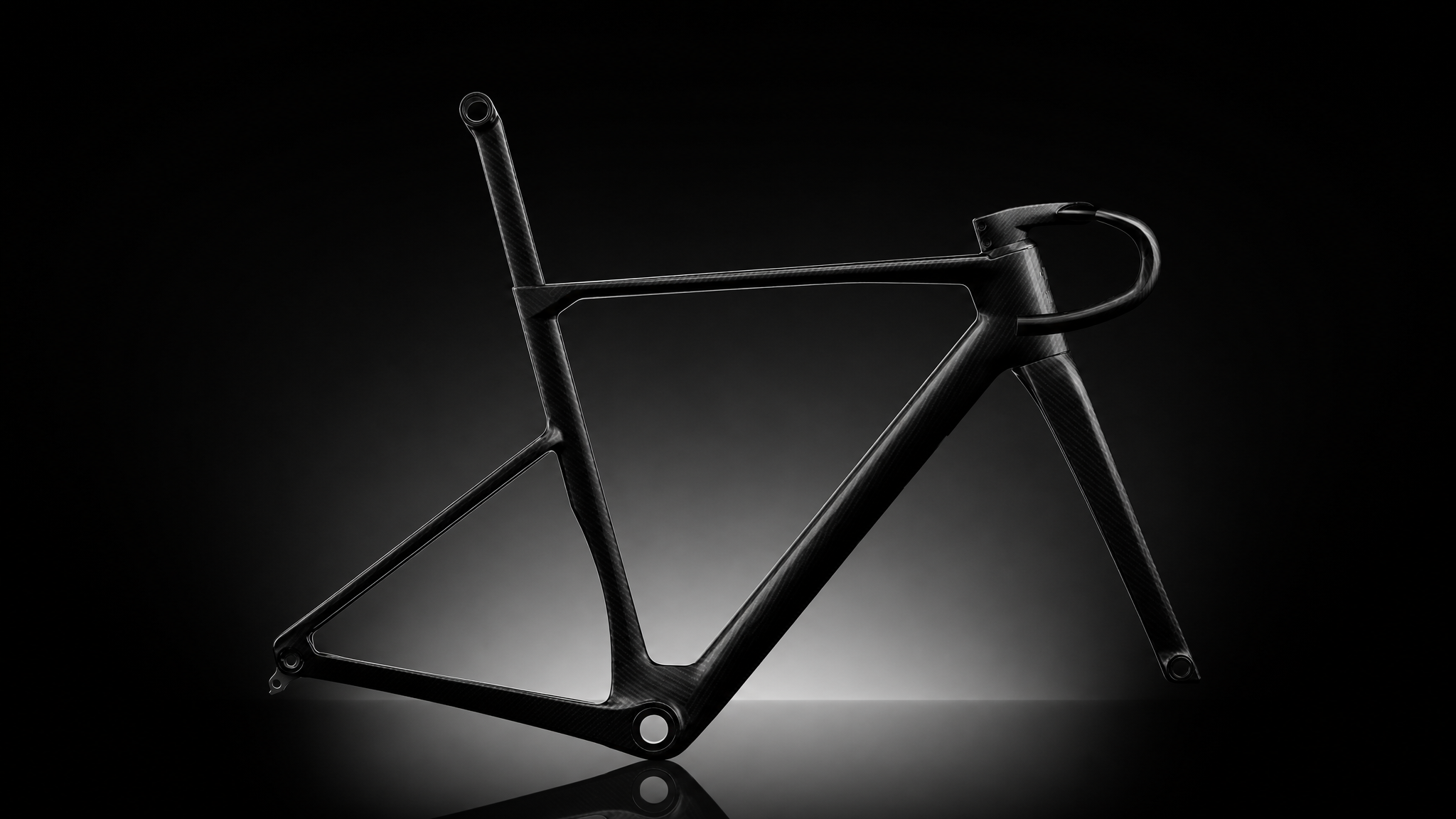
For Milner, SWI is inseparable from its raw 3K weave. “I would rather take a weight penalty and have that beauty,” he said. “I've been aware of SWI for many, many years… for me, SWI should be raw carbon 3K weave.”
Paint still has a place, but not at the expense of identity. Milner lit up when shown the negative logo and carbon window direction: “I love paint jobs like that because it's literally like a window into it.”
This is not a debate about taste. It is a brand recognition question. In a market where the best carbon frames are increasingly indistinguishable on paper, a visual signature becomes a functional asset.
The word has lost its aura. The ride has not.
Milner's take on monocoque was nuanced. “The problem is… so many people say monocoque… it's lost its aura,” he said. The term might still carry weight, but it is no longer enough.
And yet he also admitted that seeing SWI's mould and process in person is “pretty mind-blowing”.
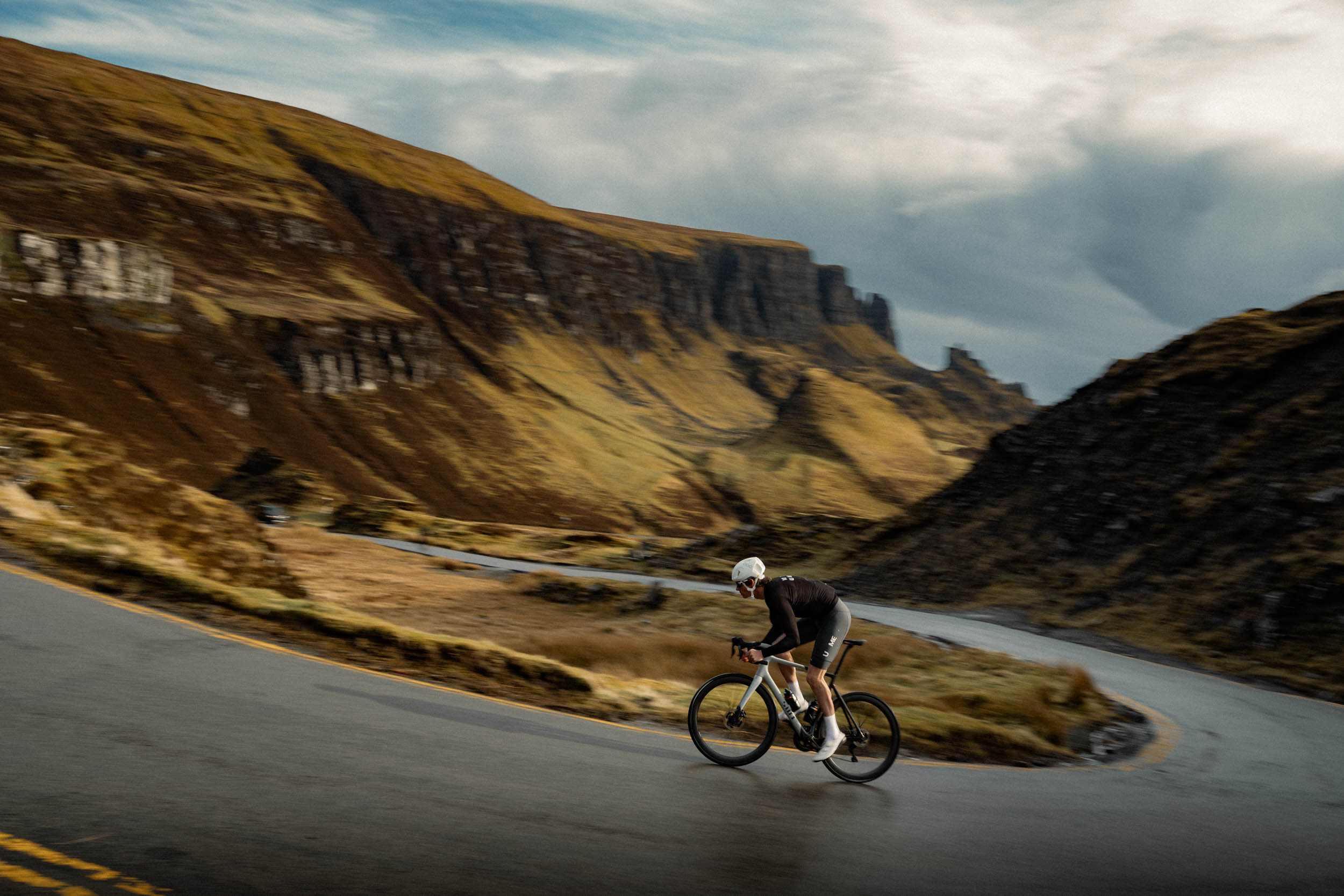
What lands, in the end, is not the word. It is the ride — that connected sensation riders struggle to explain until they have felt it. “Continuous ground to human,” as Milner phrased it.
Three things worth protecting
- Ride feel: a continuous structure that does not feel like a collection of bonded decisions.
- Italian soul: “Stefano, Giuseppe, Samueli… there's this soul that exists in these bikes.”
- Classic design: resisting the worst excesses of aero and trend-chasing.
Milner summed up the bigger truth earlier in the call: if you leave a place wanting to own the thing, that tells you everything.