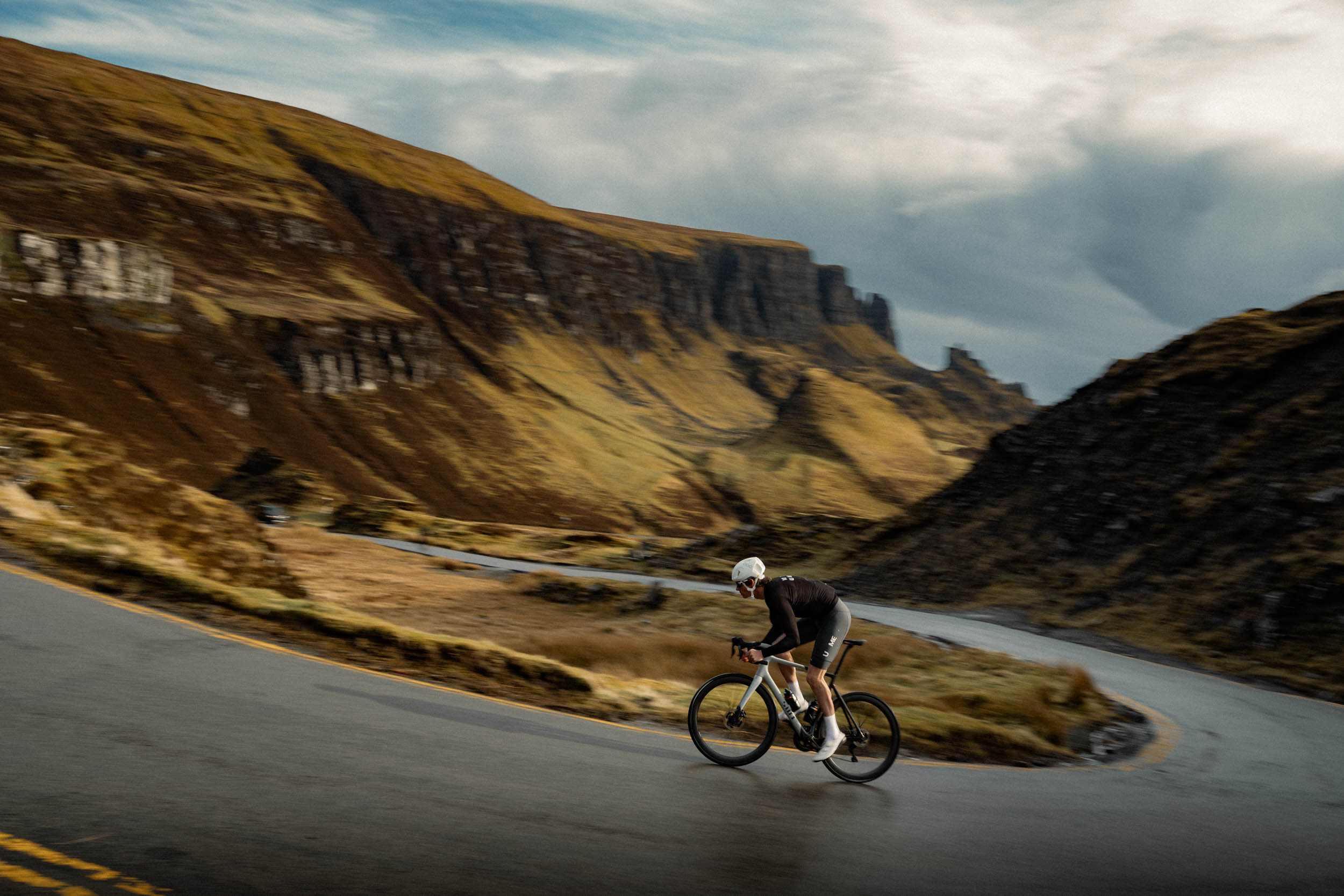


If you have ever pointed a bicycle at a proper Yorkshire ramp, you will know the feeling: the gradient is not something you ride, it is something you survive.
Rosedale Chimney Bank is one of those climbs. Short enough to tempt you into going too hard, steep enough to punish every gram of hesitation. It is a 1.3km wall that spikes to 30% in places, and it has a simple way of revealing what is real. Fitness, pacing, nerve. And, if we are honest, equipment.
On a cold, clear day in the North York Moors, Andrew Feather rolls into the lay-by at the summit like it is just another interval. Phone in hand, leaning over the bars of a bicycle that looks almost unfinished on purpose, they scroll through the effort.
“Got it. Four minutes fifty-four.”
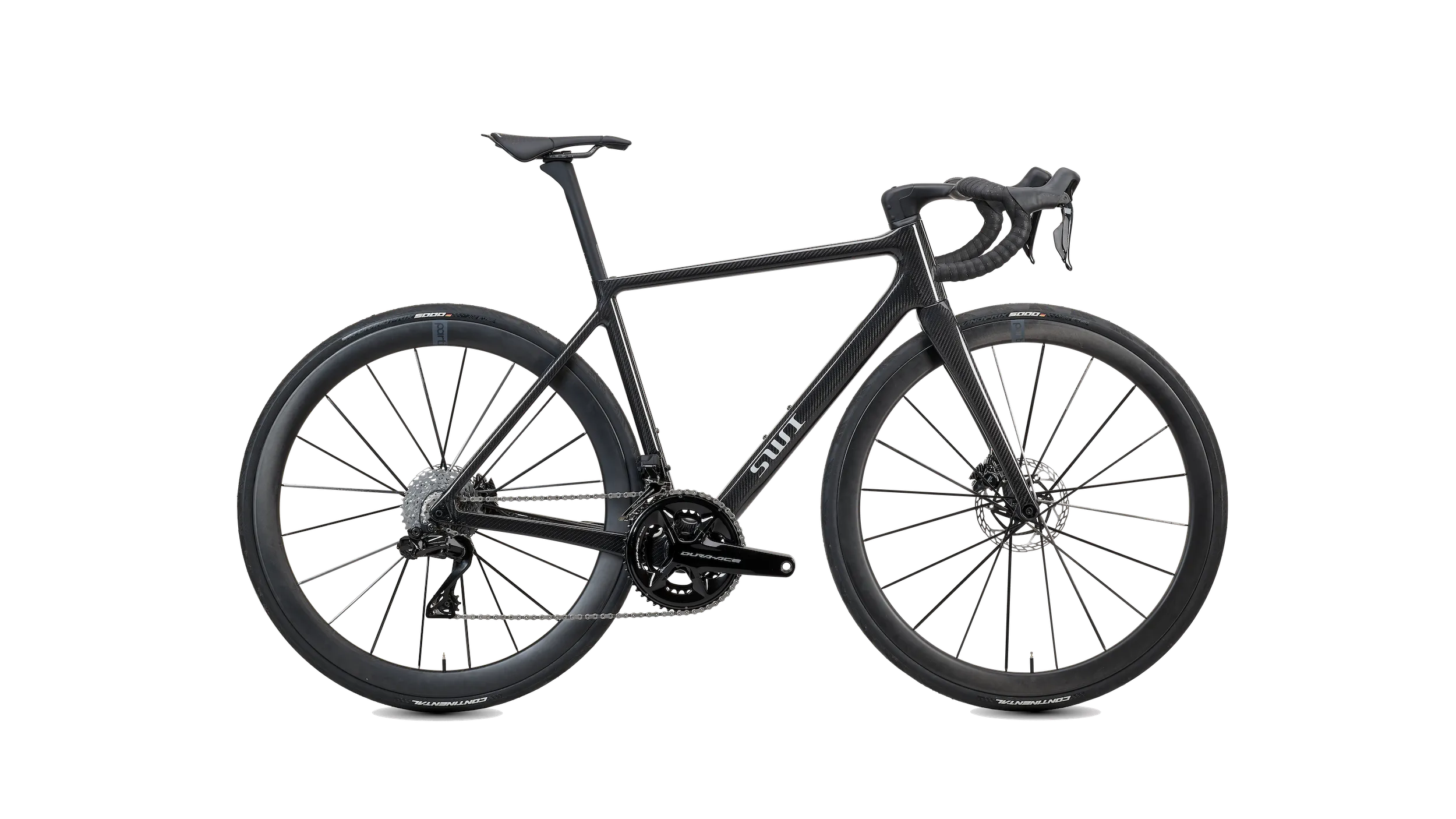
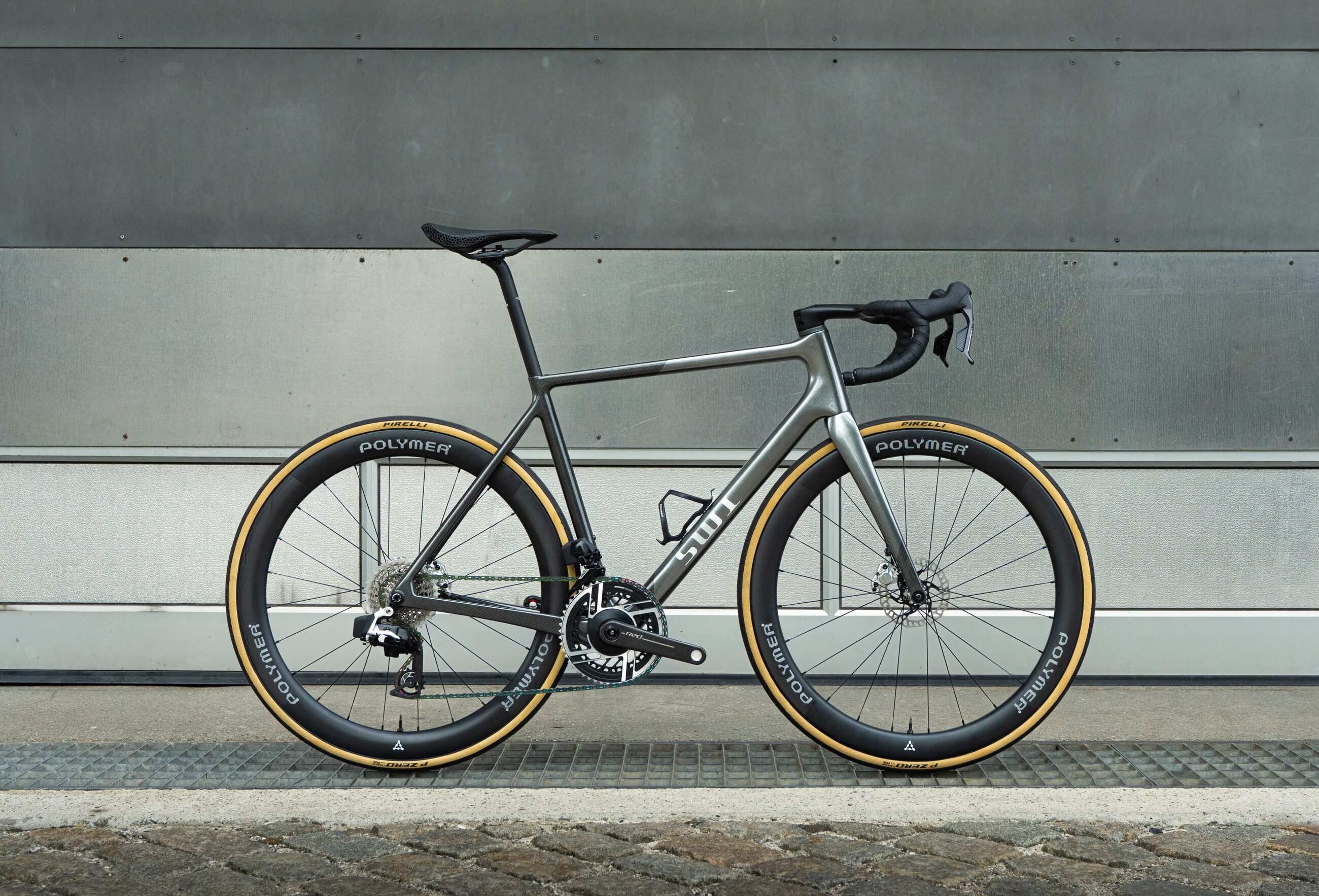
That time matters because it is not “fast”. It is segment-record fast. This is the build story behind the SWI Leve that did it.
The brief
Great custom builds usually start with a simple sentence. For Andrew, it was this:
Make it as light as possible, but still keep it really stiff.
That sounds like the same request everyone makes, until you put it into context.
Hill climbs are not about averages. They are about peaks. Maximum torque at low speed. Out-of-the-saddle accelerations. A bicycle being thrown side to side while the road tries to drag the rear wheel backwards.
A frame that is only light can feel nervous or vague when you are stamping on it. A frame that is only stiff can feel dead, harsh and fatiguing when the surface is broken and the rider is already deep in the red.
The goal with Andrew's Leve was stiffness where it matters, and weight savings where they are safe.
Why the unishell matters here
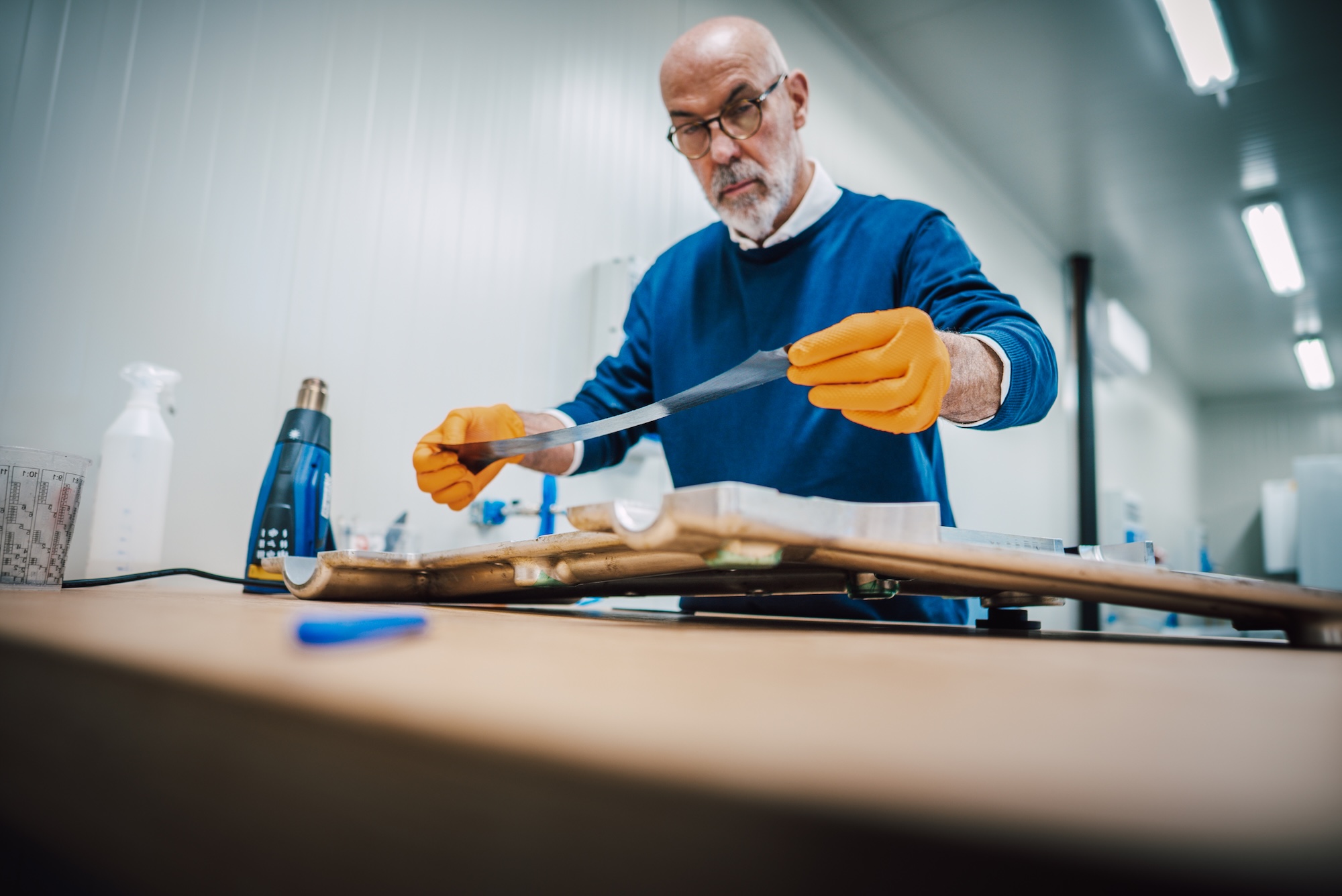
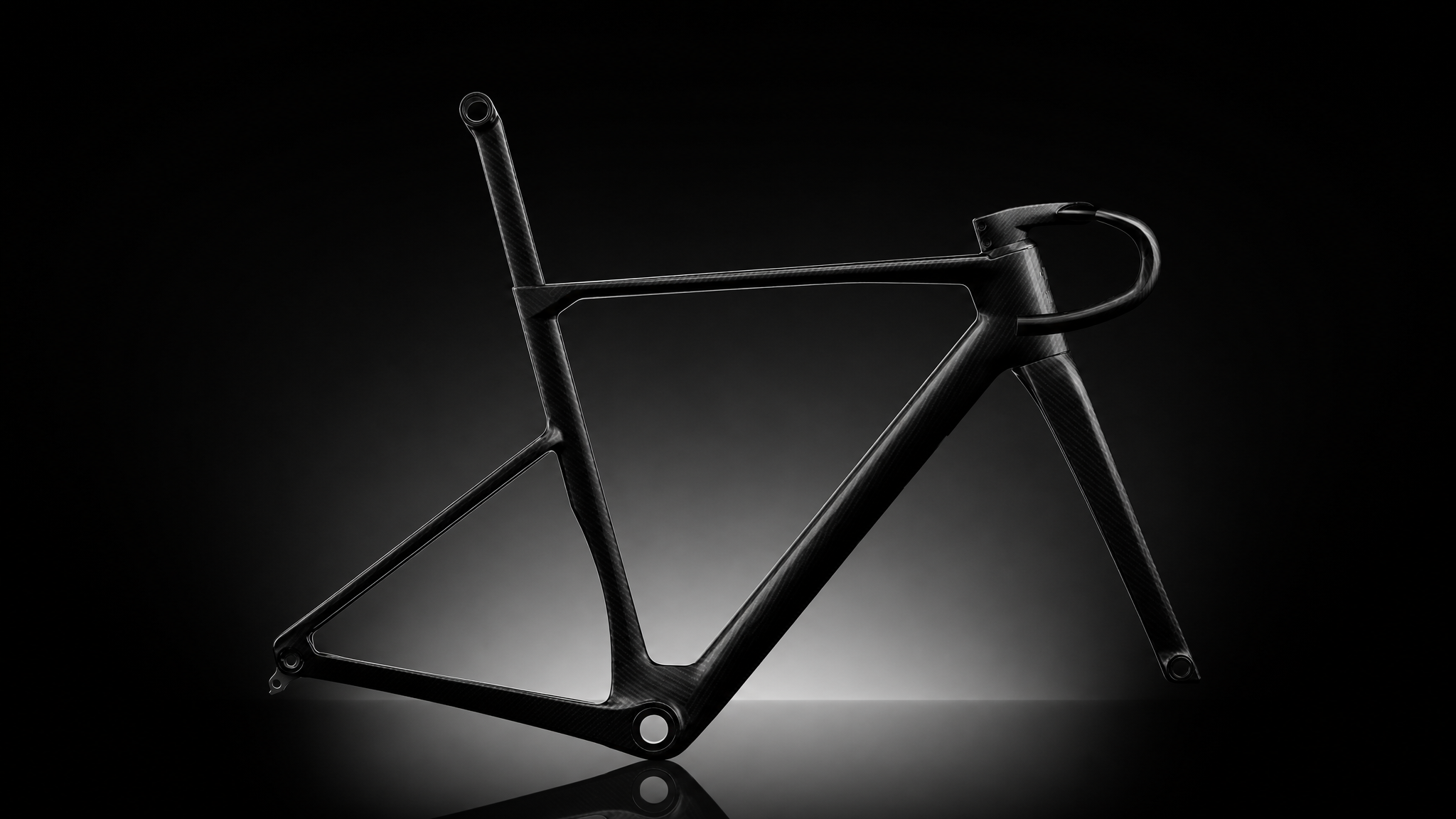
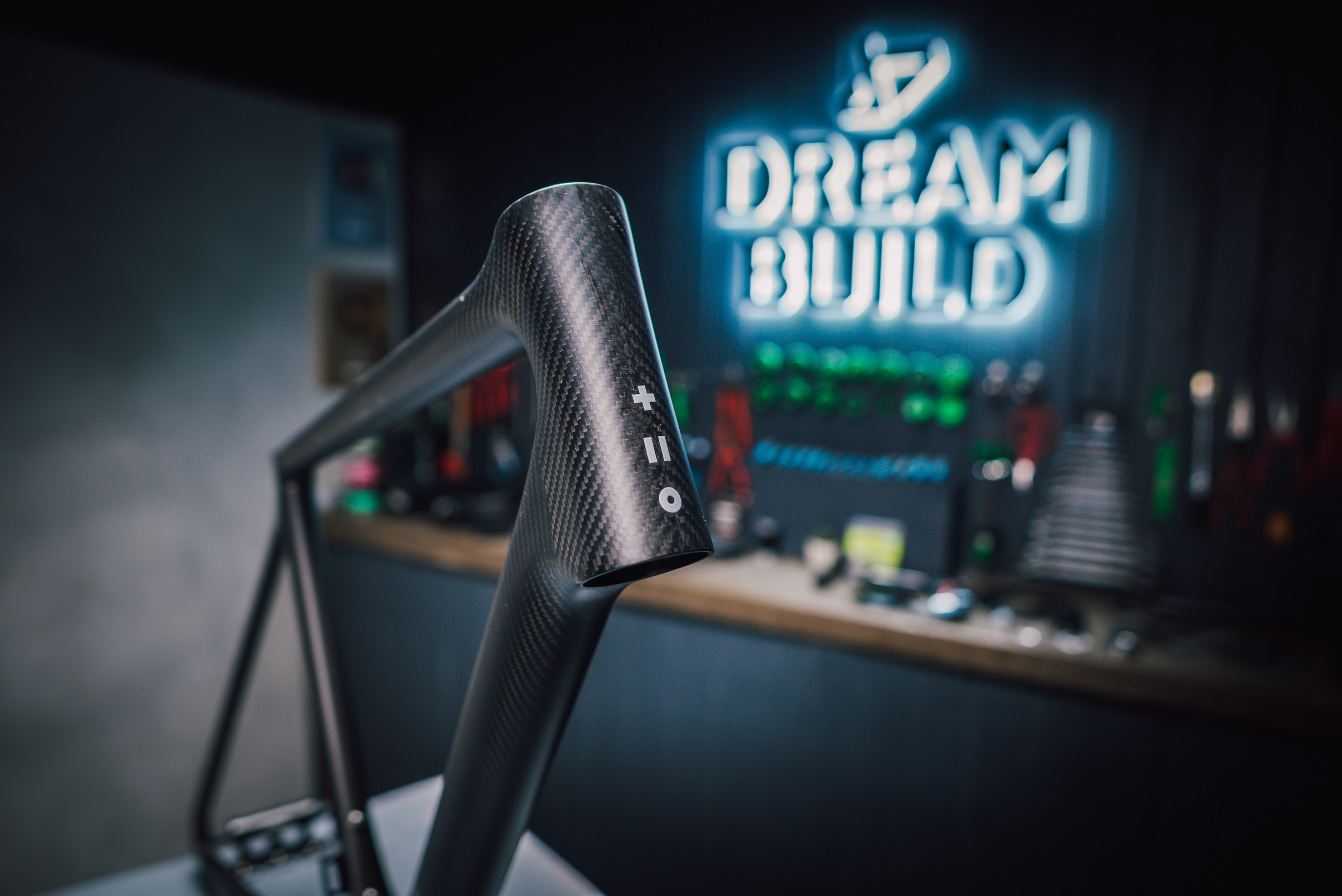
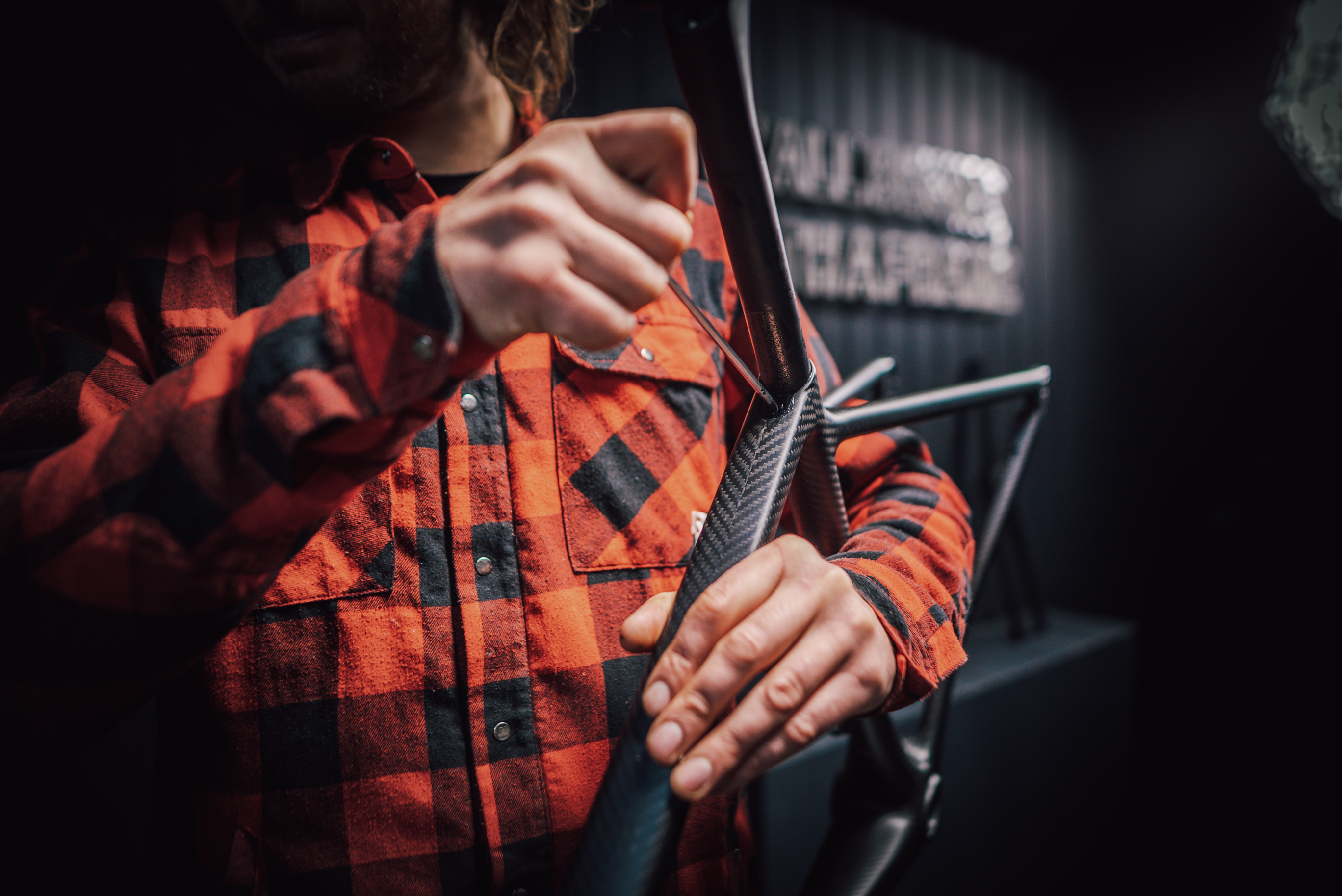
At the centre of this build is SWI's unishell monocoque construction. In plain terms, the Leve is designed as one continuous carbon structure, not a collection of separate tubes joined together with lugs or sleeves. That continuity is the foundation for two things hill climbers care about:
- Stiffness without bloat. The frame can be tuned to resist twisting under load, without simply adding material everywhere.
- A direct ride feel. When you stand up and drive the pedals, the bicycle does not feel like it is winding up before it moves.
For a rider like Andrew, that matters as much as the number on the scales.
Tuning the layup to the rider
A lightweight build is easy to talk about and hard to do properly. Cutting weight by choosing lighter parts is the obvious move. But the deeper advantage of carbon is something else: you can tune the structure to the person riding it.
Andrew's Leve was built with a layup schedule adjusted to match their body weight, their typical power output and torque profile, and their use case — short, brutally steep efforts, not six-hour alpine days.
The result is a bicycle that feels taut and purposeful under acceleration, but still controlled when the rider is on the limit.
Where the weight came out
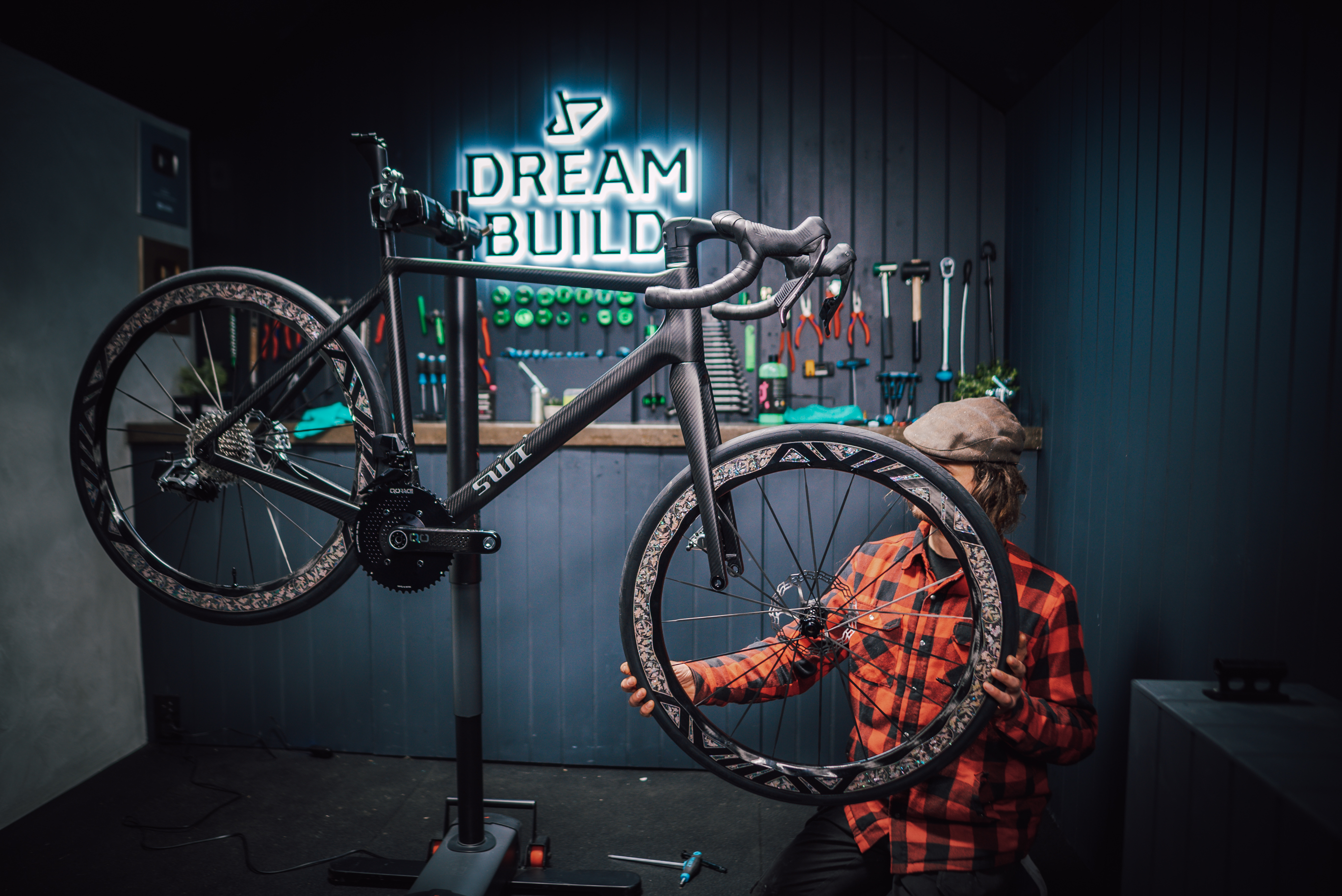
A sub-6kg hill-climb bicycle can be built a dozen different ways. Andrew's approach was not to chase novelty. It was to chase credible weight savings, especially in the finishing kit.
The build uses ultra-light carbon components from Schmolke for the touchpoints: handlebar, stem, seatpost and saddle. This matters because it keeps weight down where it multiplies the experience — at the rider interface. The bicycle feels like it disappears beneath you.
But there is also a discipline to these choices. Hill-climb kit can drift into fragile theatre. The aim here was not a show bike. It was a tool Andrew could trust on a climb that actively tries to break your rhythm.
One chainring, no extras
The gearing discussion always gets passionate in hill climbs, because it is personal. Andrew typically runs a 1× setup for this kind of riding. The logic is straightforward: less weight, less complexity, more focus on the line and the effort.
It is a reminder that the fastest climbing bicycles often look almost austere. No extras. No decorative options. Just what makes the bicycle go uphill.
What the number actually enables
There is a kind of honesty to the way Andrew's Leve presents itself. No loud declarations. No pretending hill climbs are glamorous. A stripped-back build that says the same thing Rosedale Chimney Bank says: you either have it, or you do not.
At the summit, a couple of motorcyclists wander over, shaking their heads. “Can I just say you're completely mad!” one of them blurts out. They mean the climb. They mean the gradient. But they are also reacting to the weirdness of watching someone treat a 30% road like a normal ride.
That is the intersection where this build lives: a bicycle engineered to make an extreme effort feel possible.
Andrew's SWI Leve is light, yes. But the important thing is not the number. It is what that number enables. A hill climb is not won by a set of scales. It is won by a rider who can produce power, keep pacing discipline, and trust the bicycle when everything else is screaming.
The Leve exists to turn that trust into forward motion. And on a climb like Rosedale Chimney Bank, forward motion is the only thing that matters.
%2520on%2520SWI_%2520The%2520Italian%2520Paradox_%2520Aura%252C%2520Heritage%25E2%2580%25A6%2520and%2520sometimes%2520Utter%2520Chaos.jpeg)