

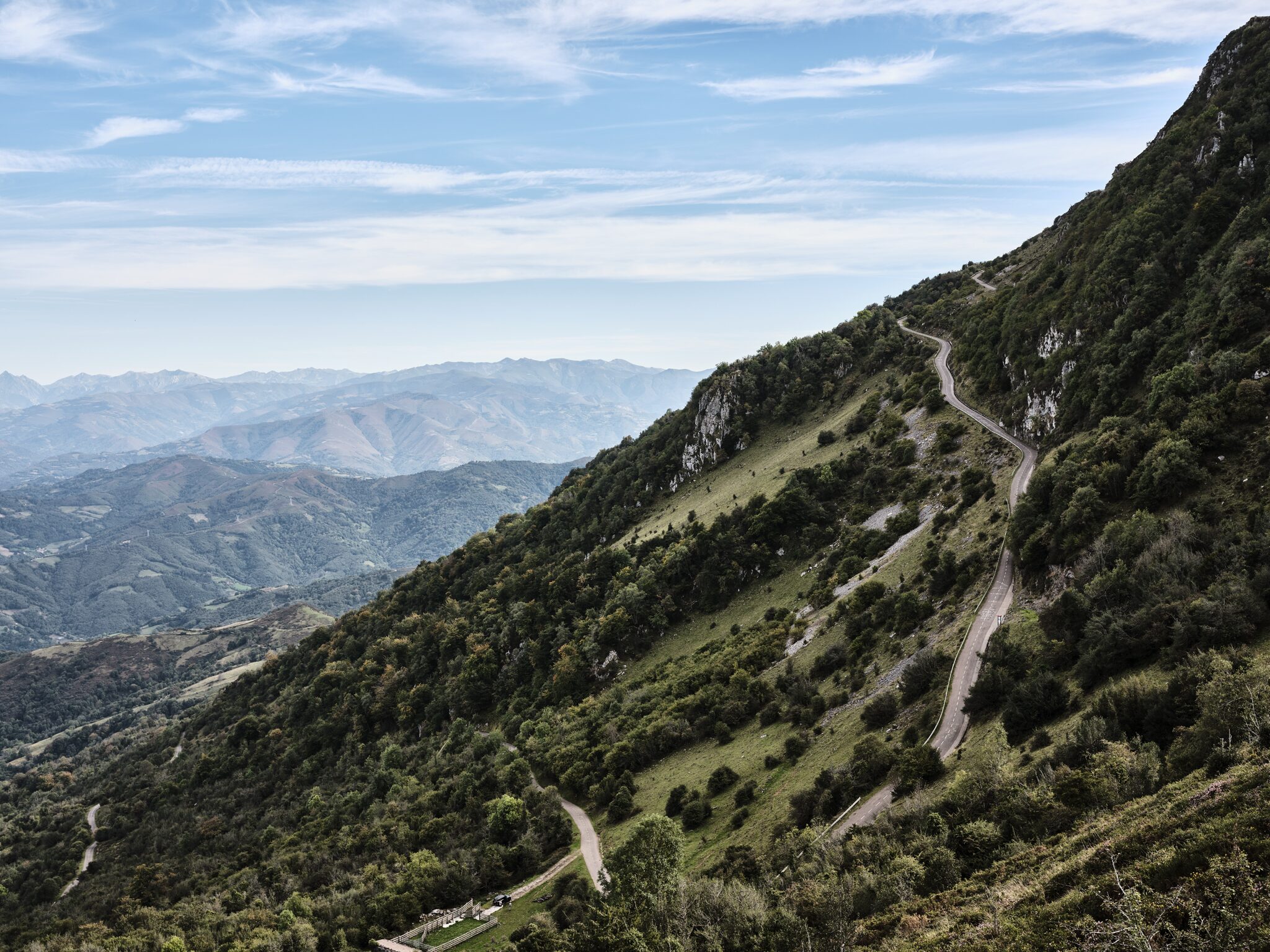
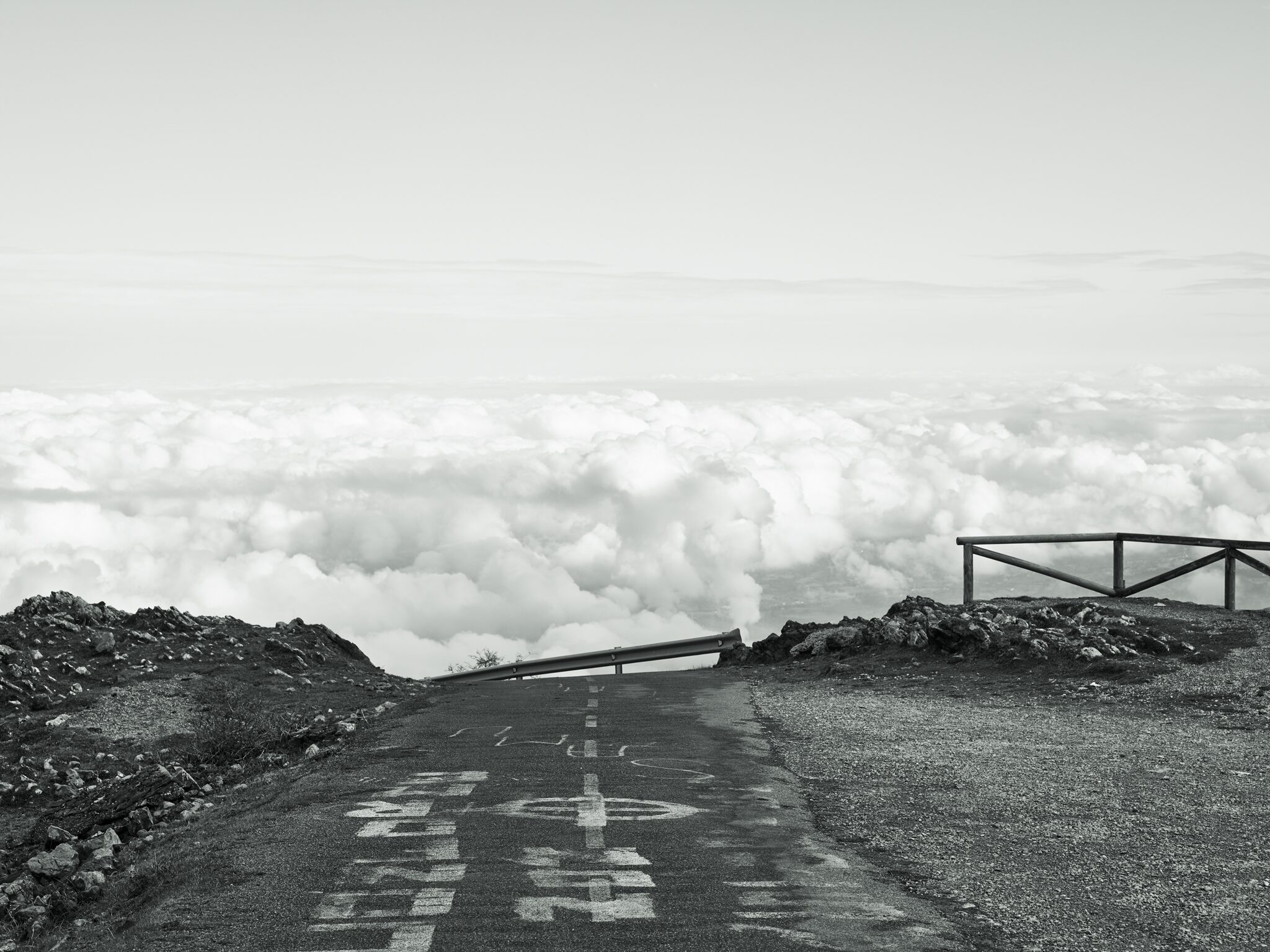
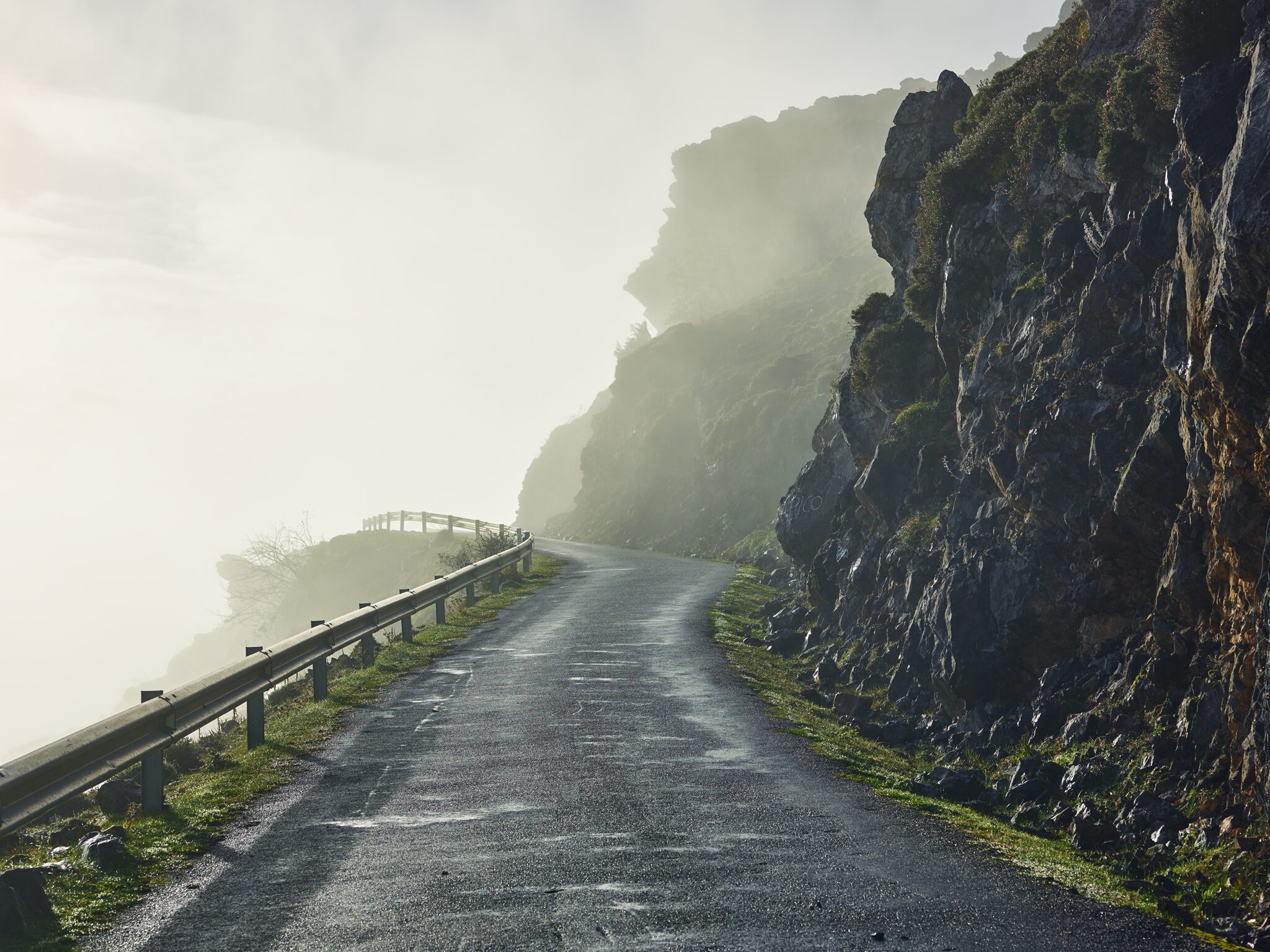
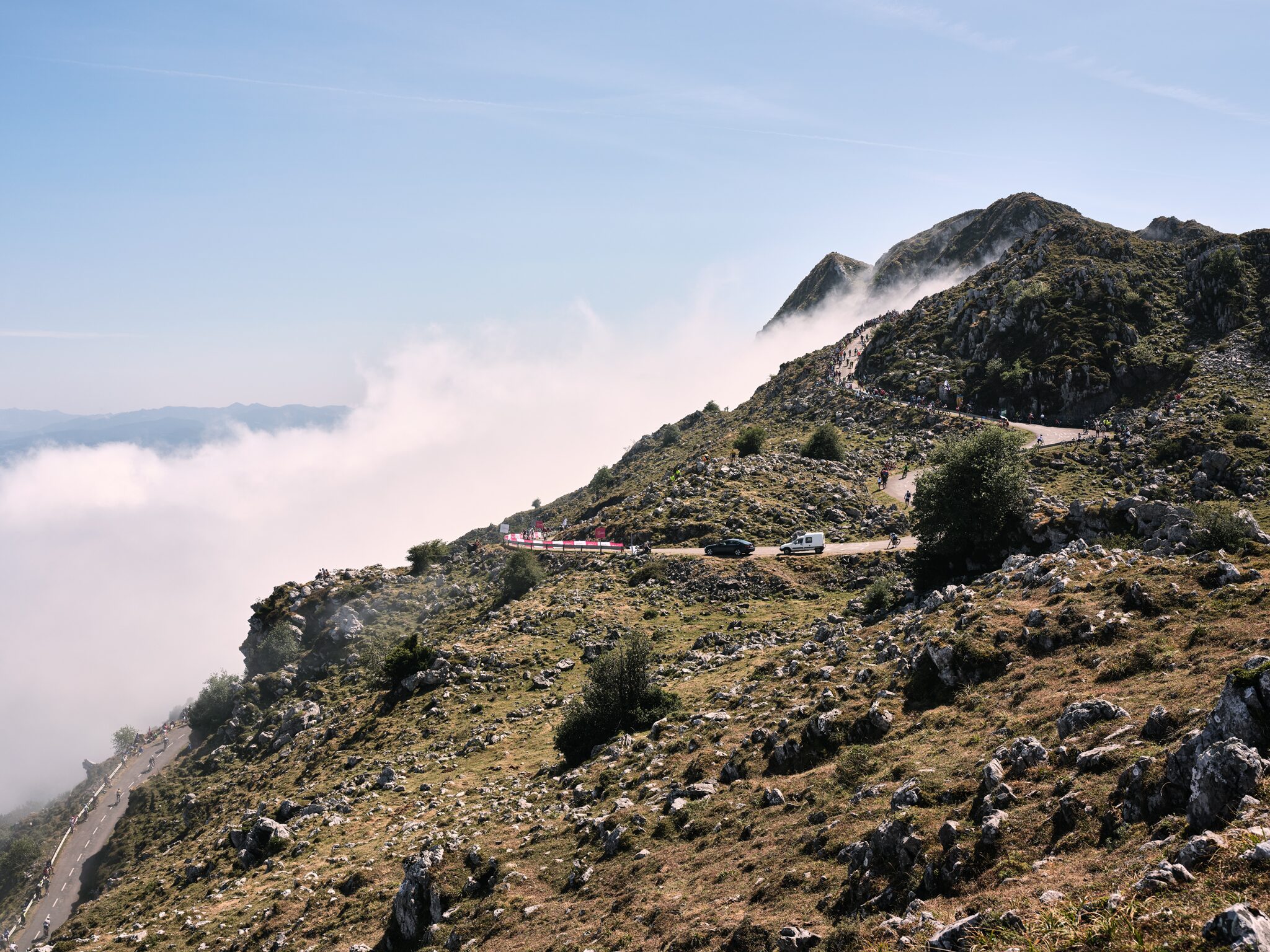
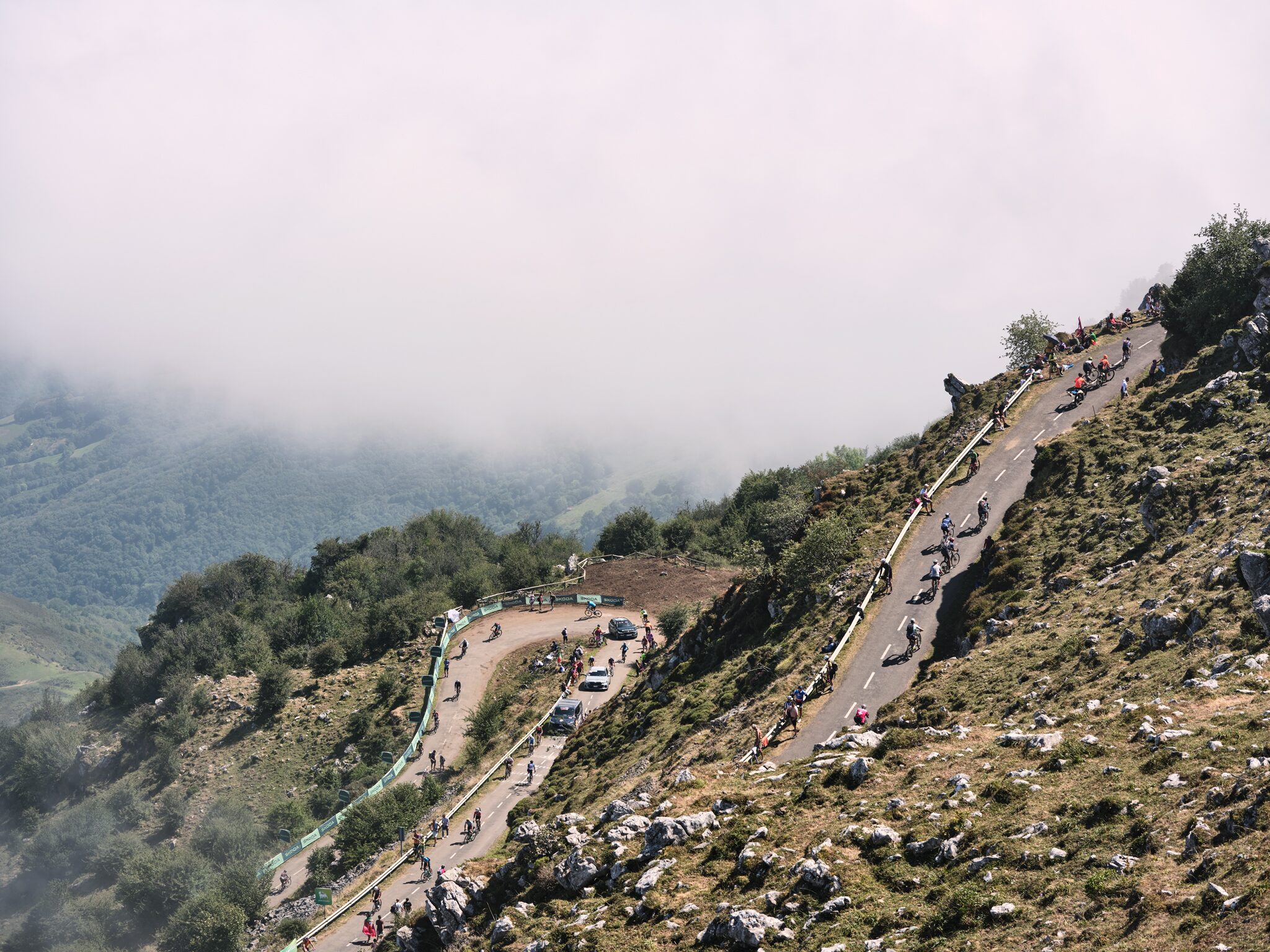
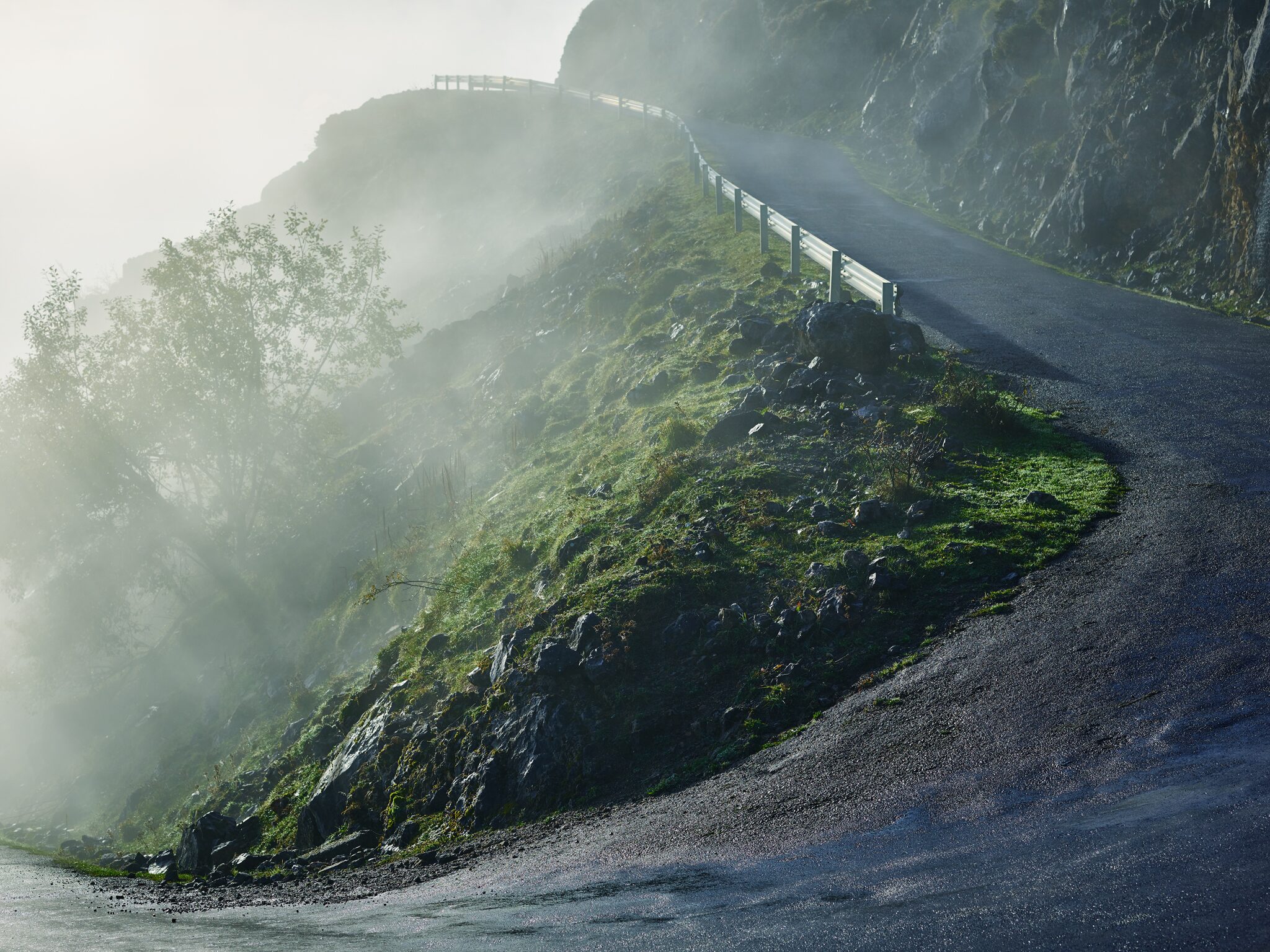
The Angliru was added to the Vuelta in 1999 on a road that had been surfaced only shortly before, and it remains the steepest climb any Grand Tour uses. The ramp at Cueña les Cabres reaches around 23.5 per cent — steep enough that team cars have historically struggled more than the riders.
Twelve kilometres and 1,266 metres of climbing. The first half is an ordinary Asturian climb at six to nine per cent, and there is even a short descent at kilometre six that lets the legs believe the worst is over. It is not. From kilometre seven the road stands up and does not sit down again: 14.2, 11.9, 11.8, 14.2, and then, for a full kilometre at the top of the climb, the steepest sustained gradient anywhere in this collection.
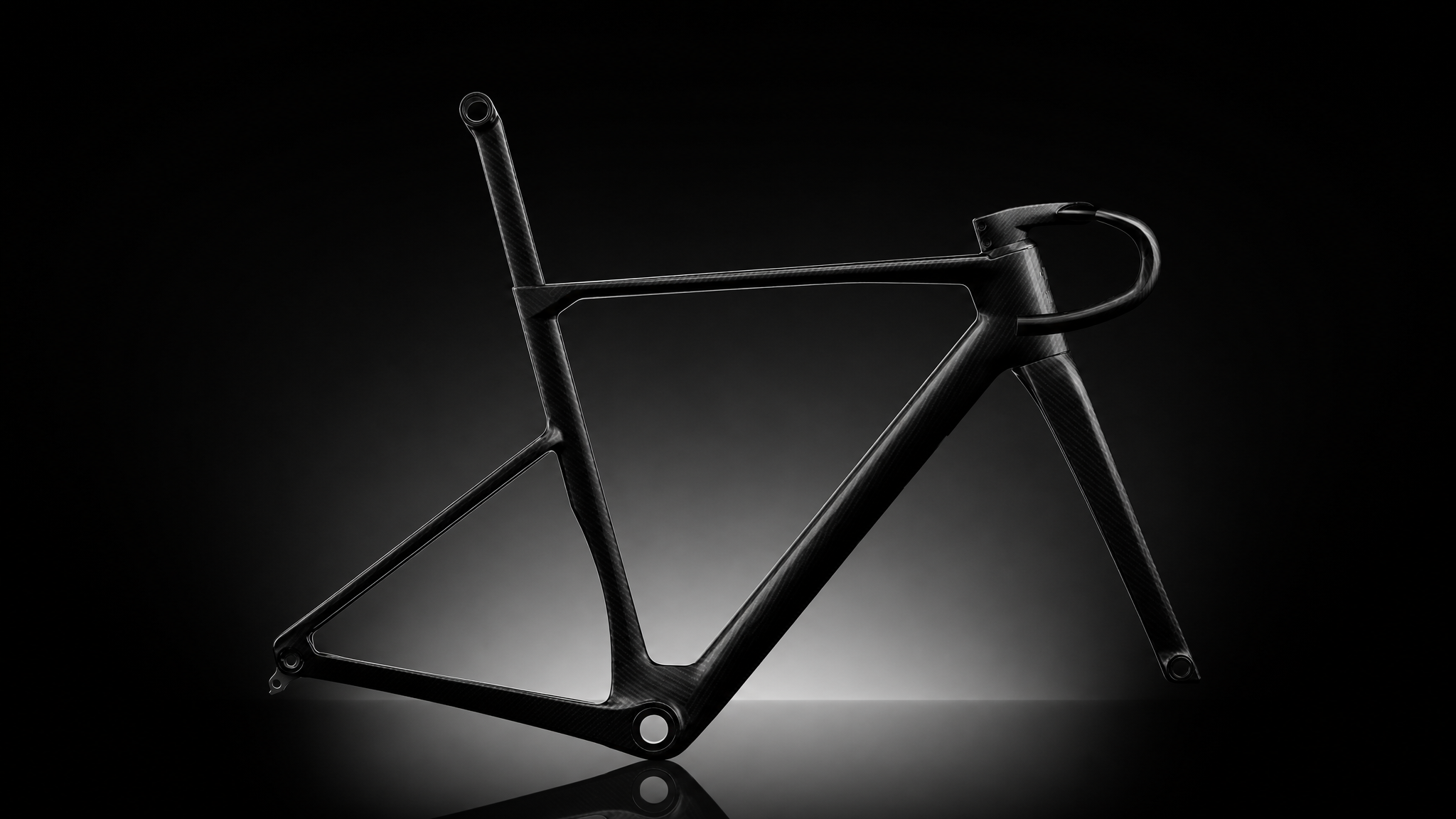
Nothing else here is close. At those gradients a rider is out of the saddle for minutes at a time, loading the frame asymmetrically with every pedal stroke, and the bottom bracket and head tube carry forces a seated tempo climb never generates. It is the single clearest case for specifying a laminate around the rider rather than the average of all riders.
Photography
Michael Blann
Rider
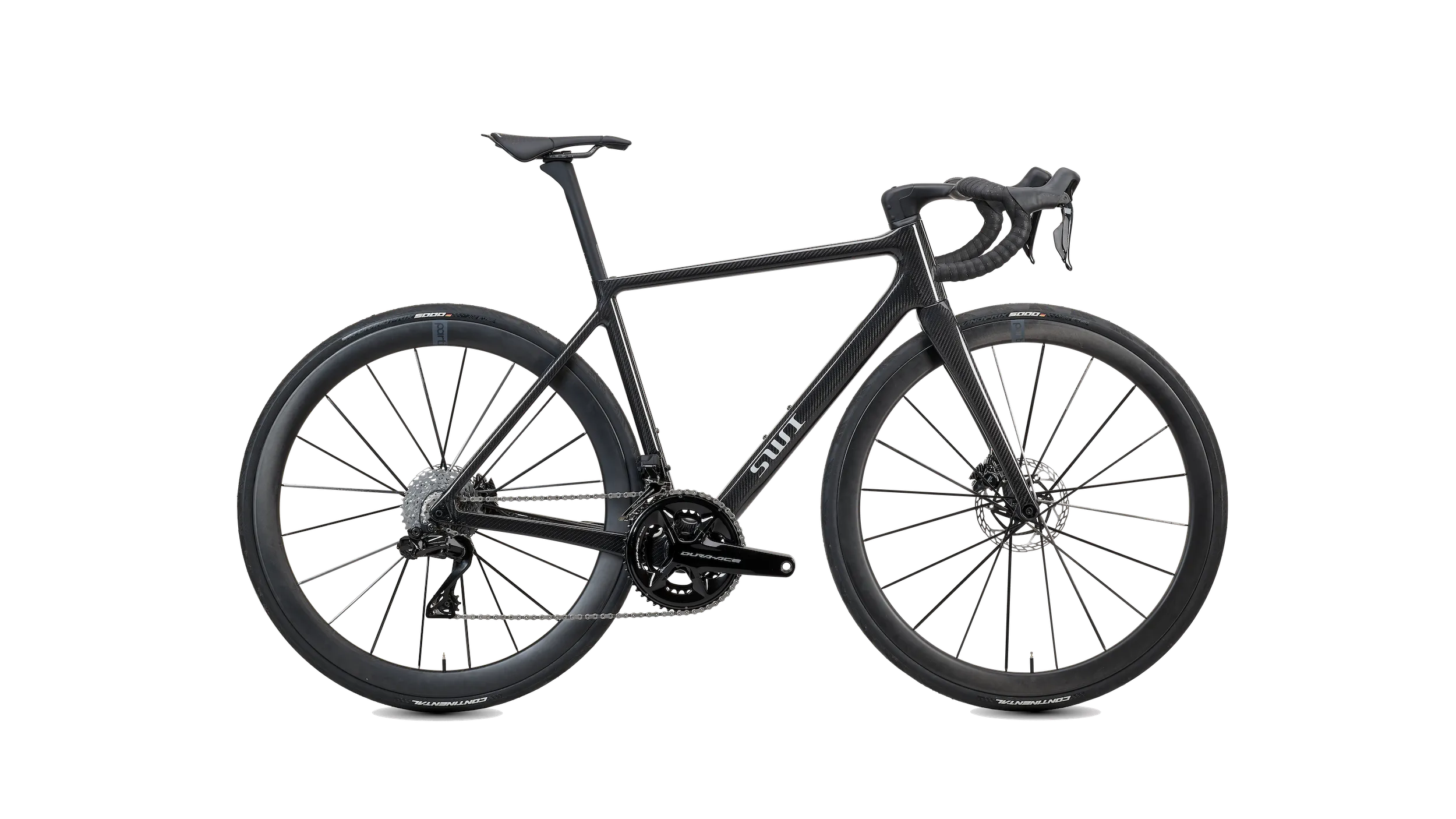
Every SWI is laid up for one rider — their weight, their power, the way they actually ride. One uninterrupted carbon shell, formed in a single mould, built for a body rather than a size chart. It is the whole reason the same mountain feels different underneath two frames.
Michael Blann
For the people who live beneath them the great European ranges are simply a way of life. For everyone else they are scenery. For a cyclist they are none of those things — they are an appointment with your own limits, and the reason a road that goes nowhere useful is worth riding at all.
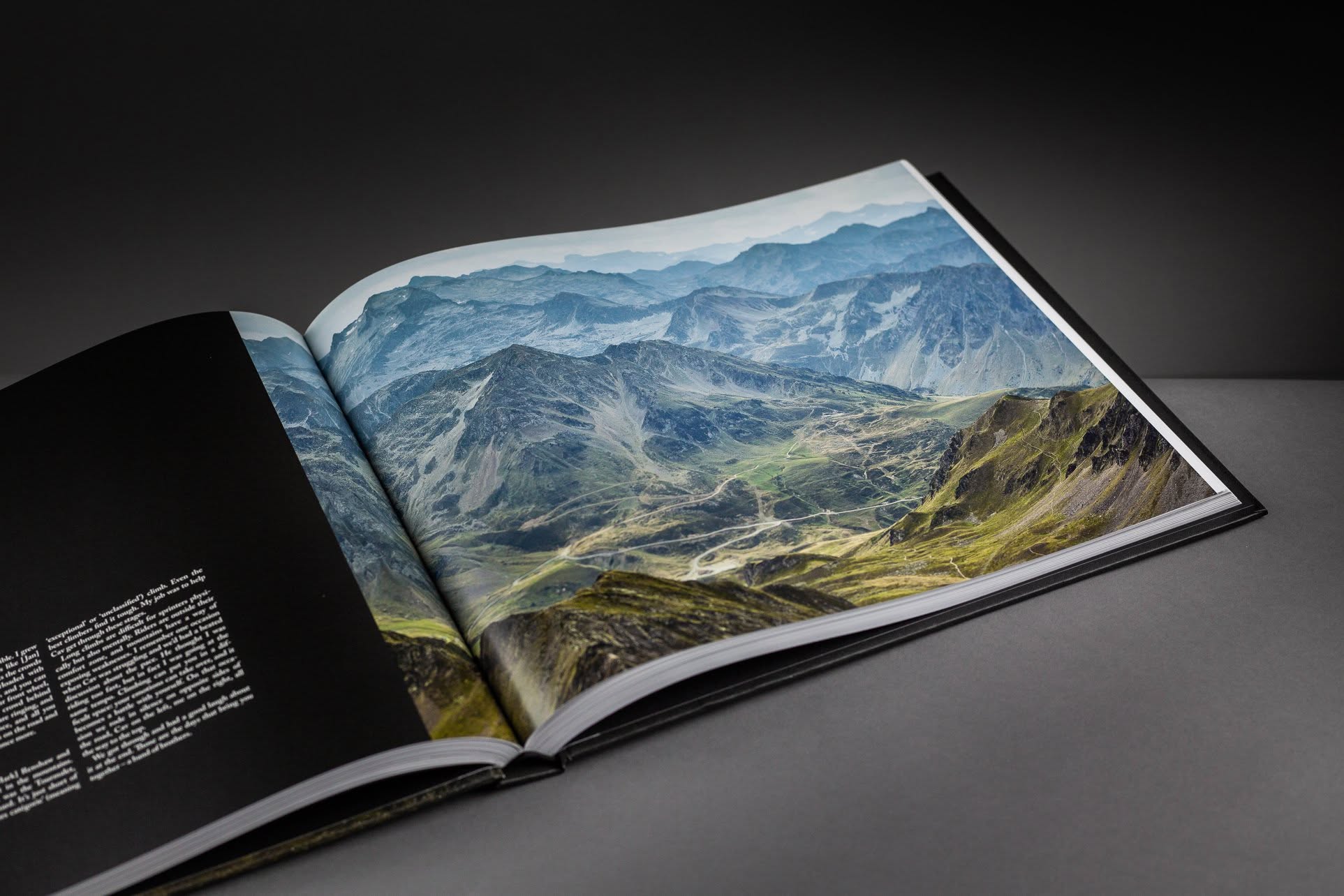
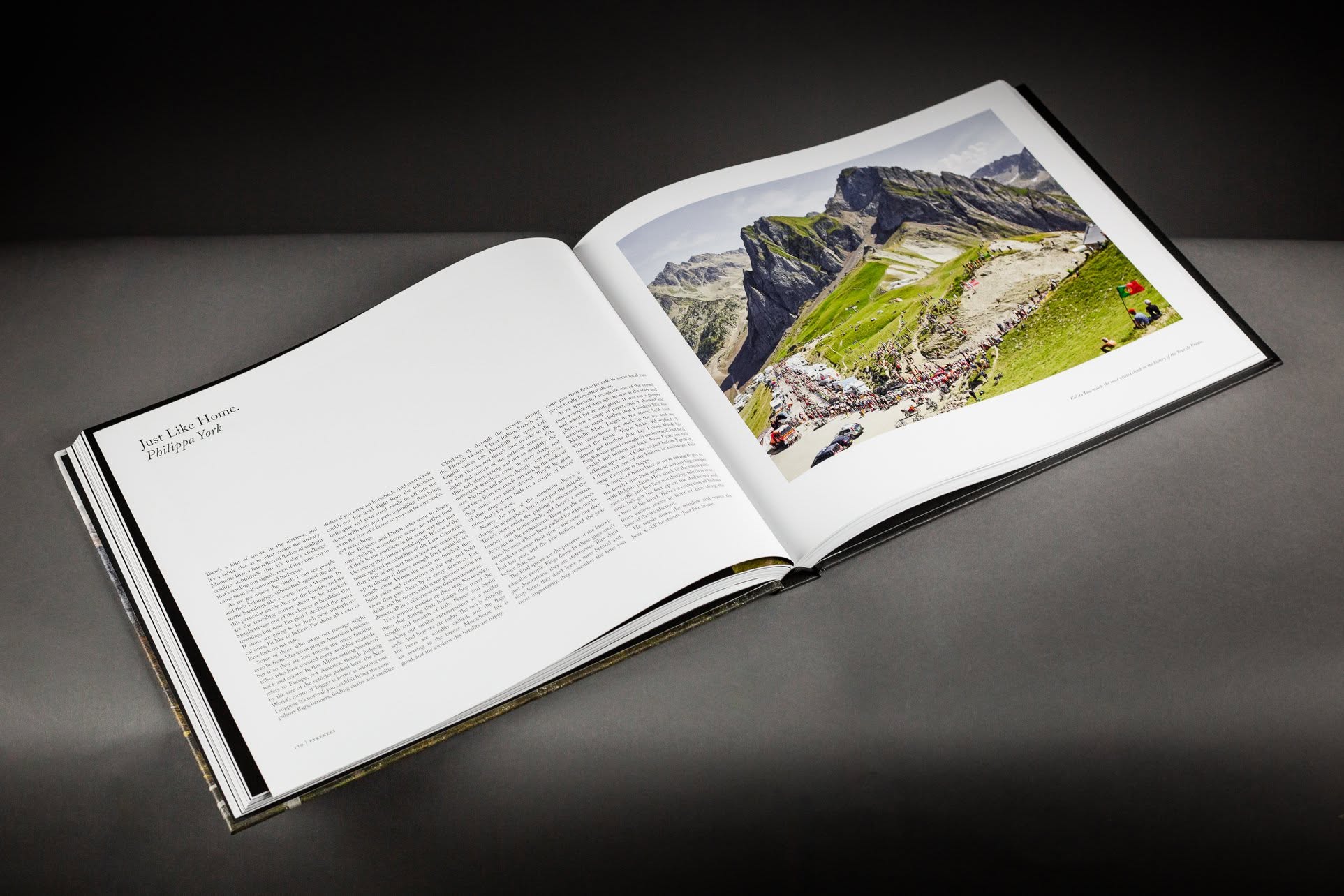
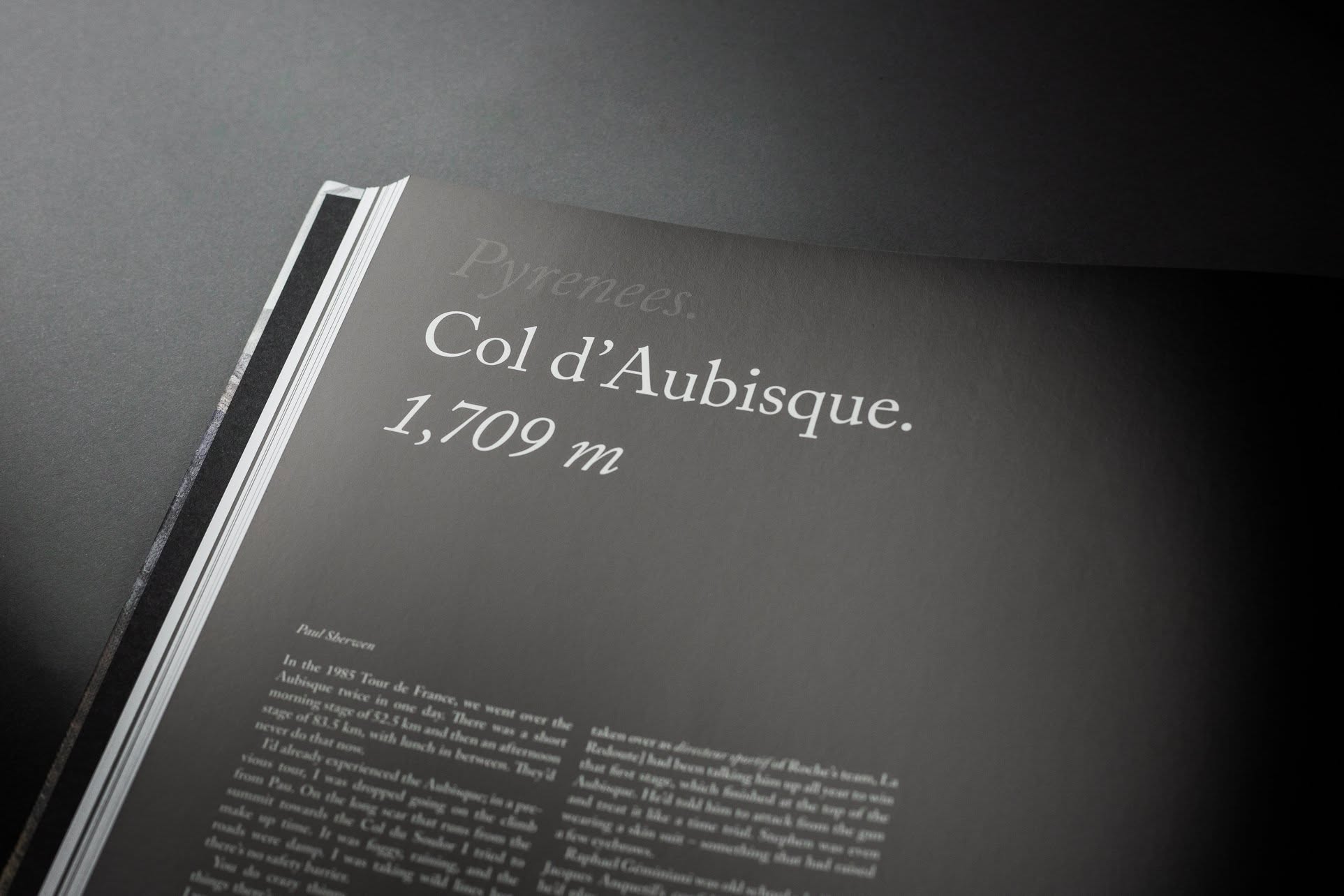
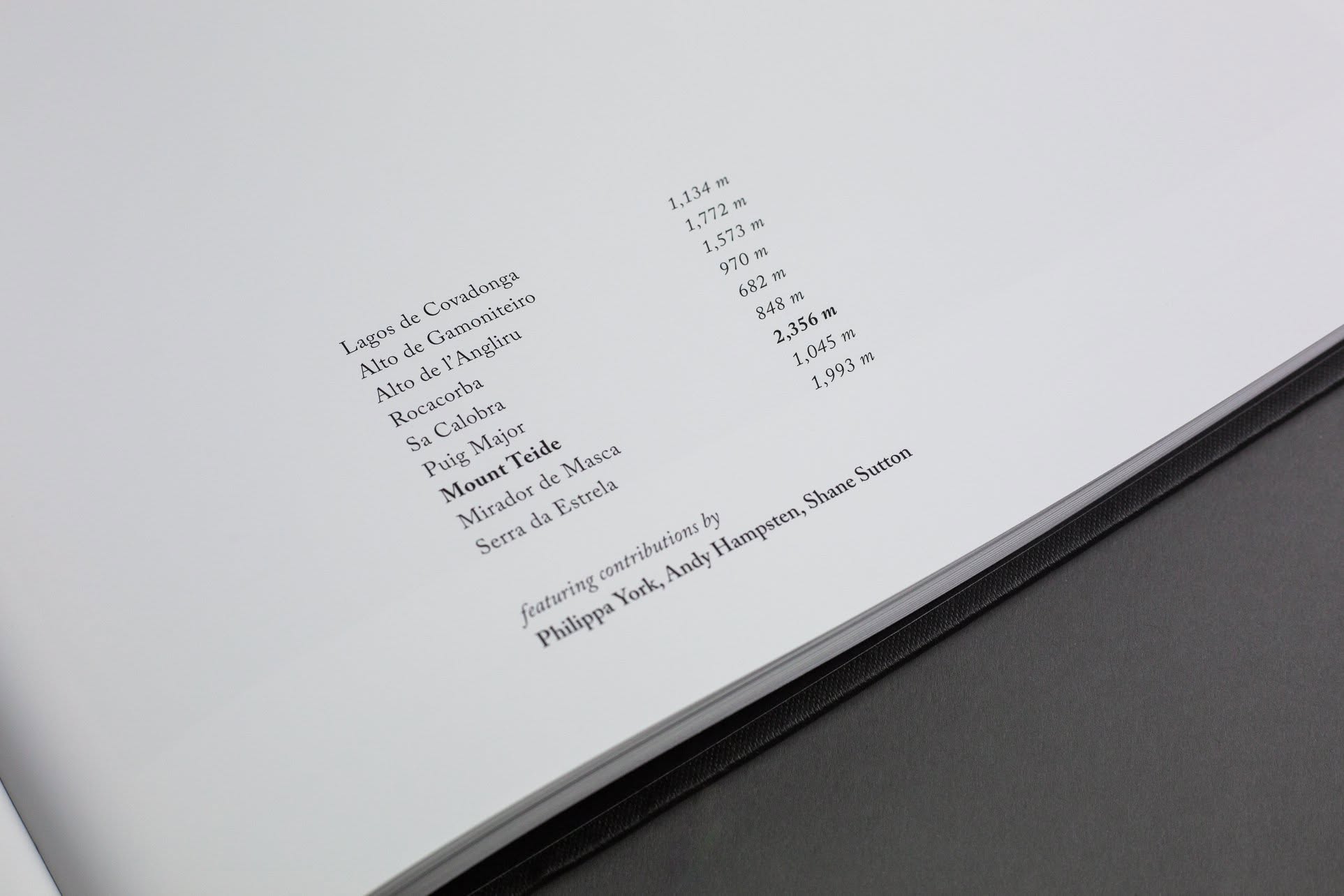
Michael Blann has spent years photographing the climbs that made the sport: the Alps, the Dolomites, the Pyrenees, the Ardennes. The pictures are landscape photography of a very high order, but the book is really about what those places do to the people who ride them — an argument built from light, weather and altitude, with recollections from professional riders threaded through it.
If you have ever ridden one of these roads, or intend to, it is the closest thing to being back on it.
Find the book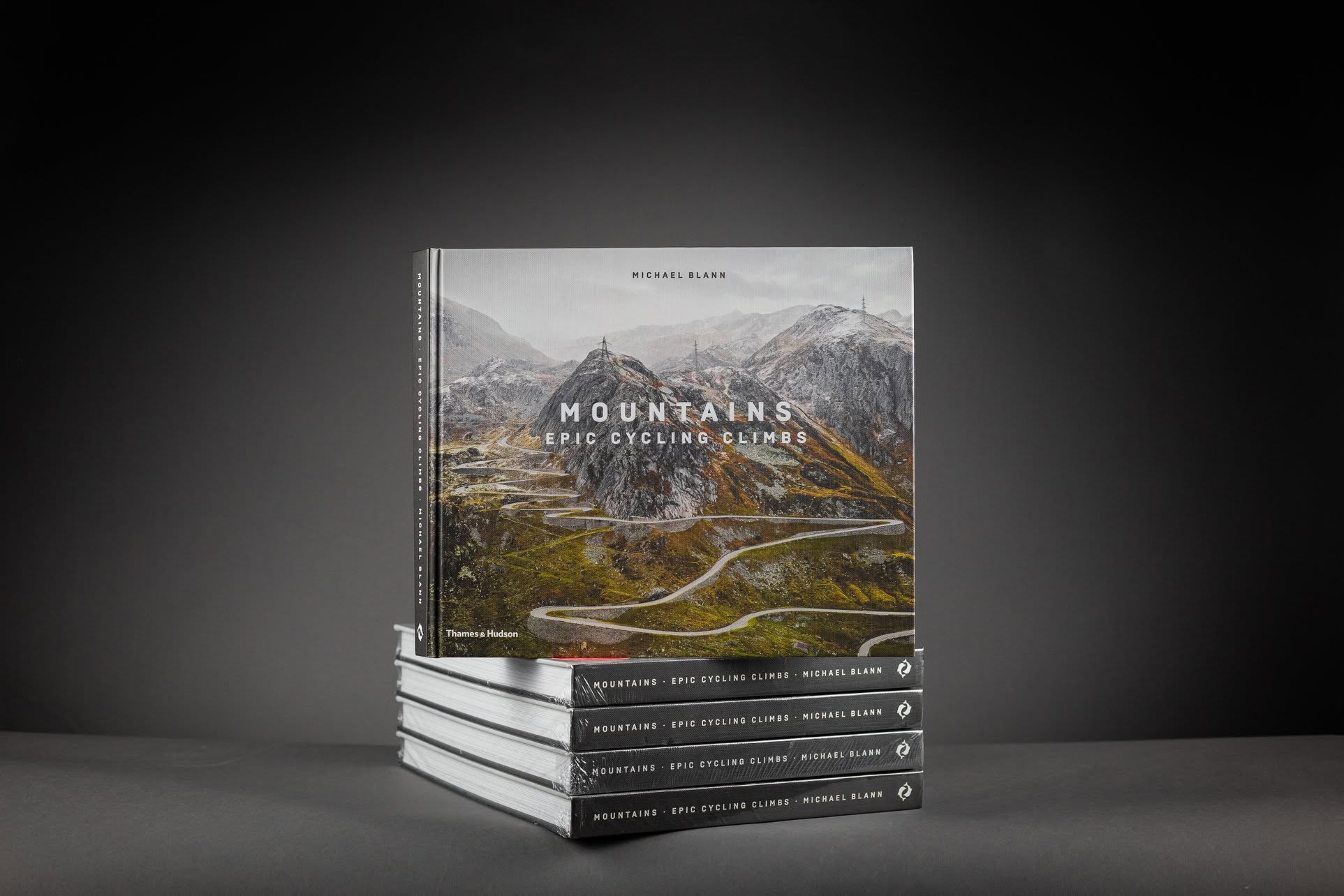
As Featured In





Tell us a little about yourself. We reply personally within 24 hours — no automated replies.
Something went wrong. Please try again.
Your details are kept private and never shared with third parties.
Your message is with the team in Italy and a confirmation is on its way to your inbox. We reply personally within 24 hours.